


 Boiler Bay Beacon

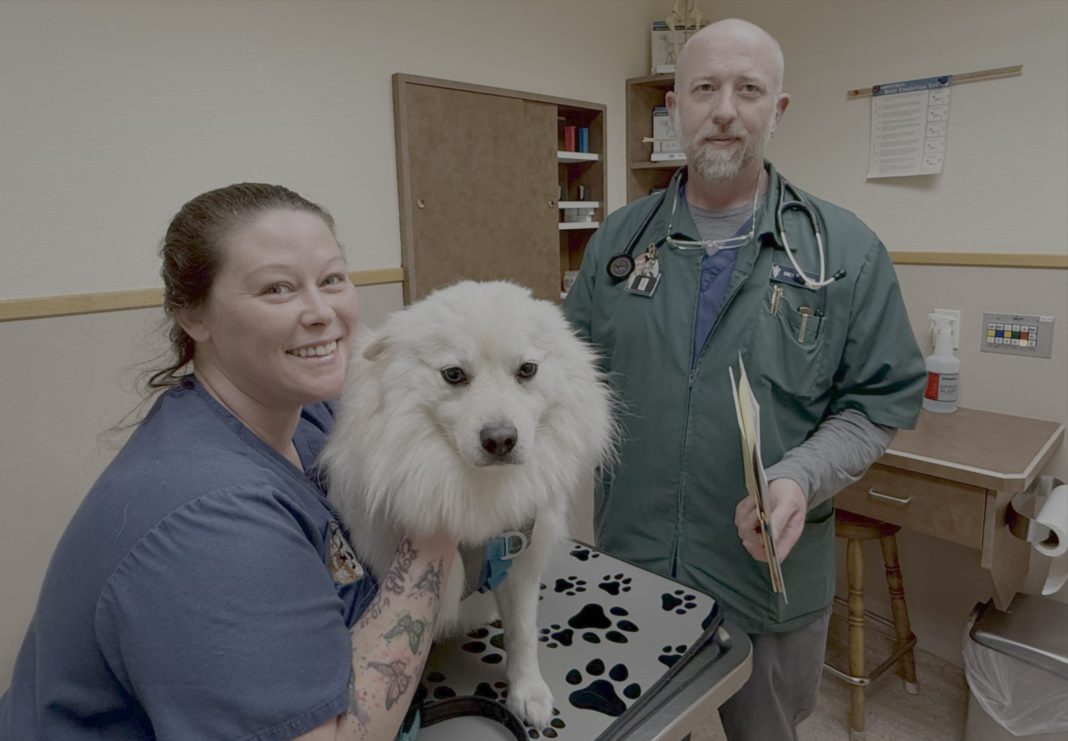
NEWPORT — The patient on Dr. Eric Brown’s examining table walked into the clinic in a near-drunken state, stuporish and glassy-eyed.
“He showed the typical neurologic deficits of marijuana poisoning,” said Dr. Brown, remarking on the sufferer’s lack of coordination, dilated pupils and drowsiness.
In Oregon, where cannabis is legal and common as a garden weed, the signs of marijuana intoxication are well-documented. But the emergency room victim at Dr. Brown’s busy office, Animal Medical Care of Newport, was not a zealous pot smoker but a beloved family pet.
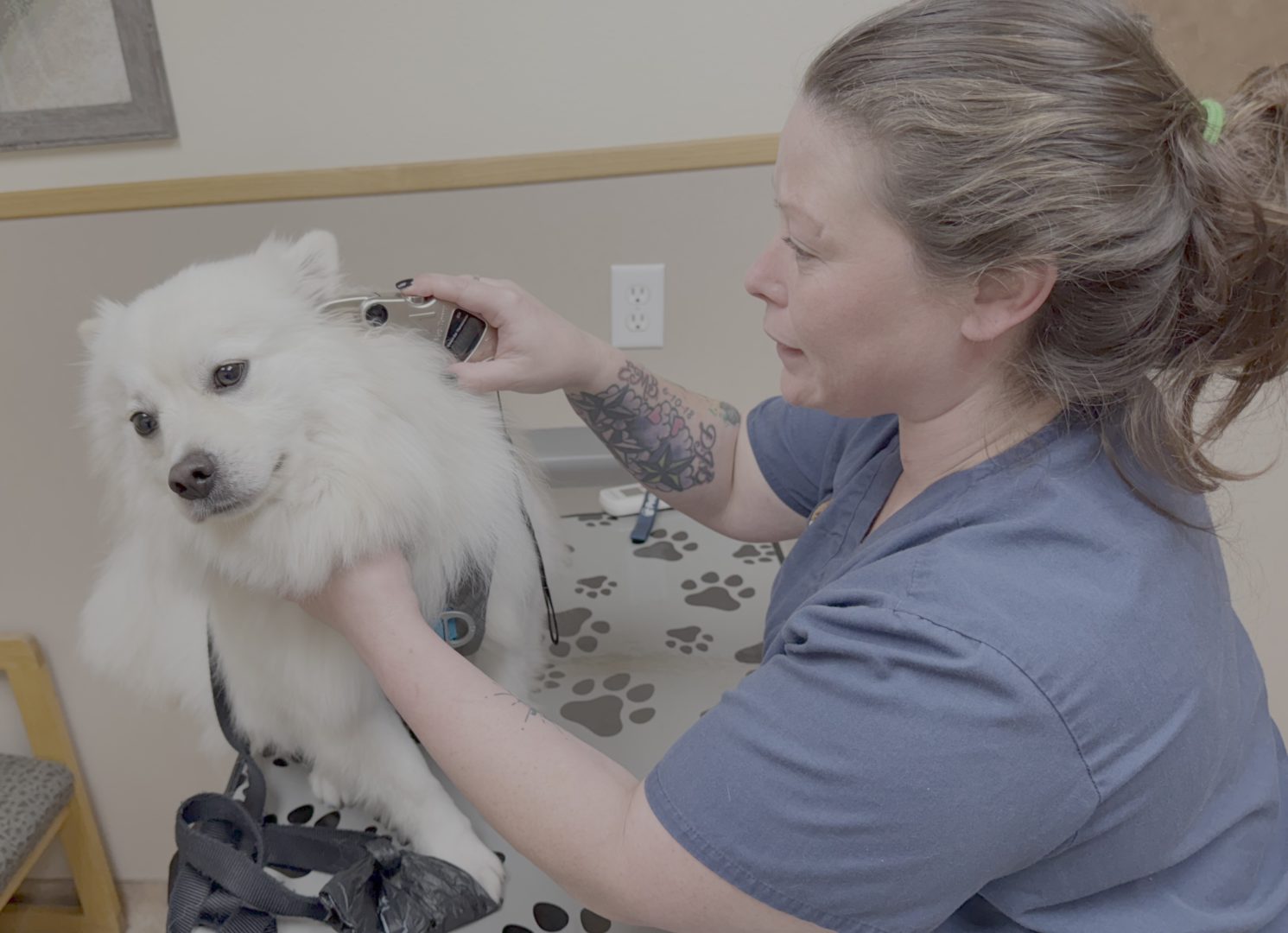
“We treat pets for marijuana poisoning on a fairly frequent basis,” said Dr. Brown, who was put on alert by the Oregon Veterinary Association to watch for dramatic increases of the condition in marijuana-legal Oregon.
“With the legalization of recreational marijuana in Oregon, pet owners should be aware of the potential risks to dogs or cats if they ingest this drug,” warned the advisory.
Dr. Brown said the chief crisis is with dogs, who are notoriously indiscriminate snackers.
“The main problem is people disposing of their roaches and other debris in the trash,” he observed. “If there’s something else in the garbage can your dog wants, he’ll ingest the marijuana, too. Now, with baked goods, that becomes an even bigger issue.”
Brown called the effects of marijuana on small-framed pets “profound.” The hallucinatory component of marijuana, THC, can render dogs incontinent and give them seizures and vomiting. As in humans, he commented, second-hand smoke from marijuana can deliver a “contact high” and other health risks.
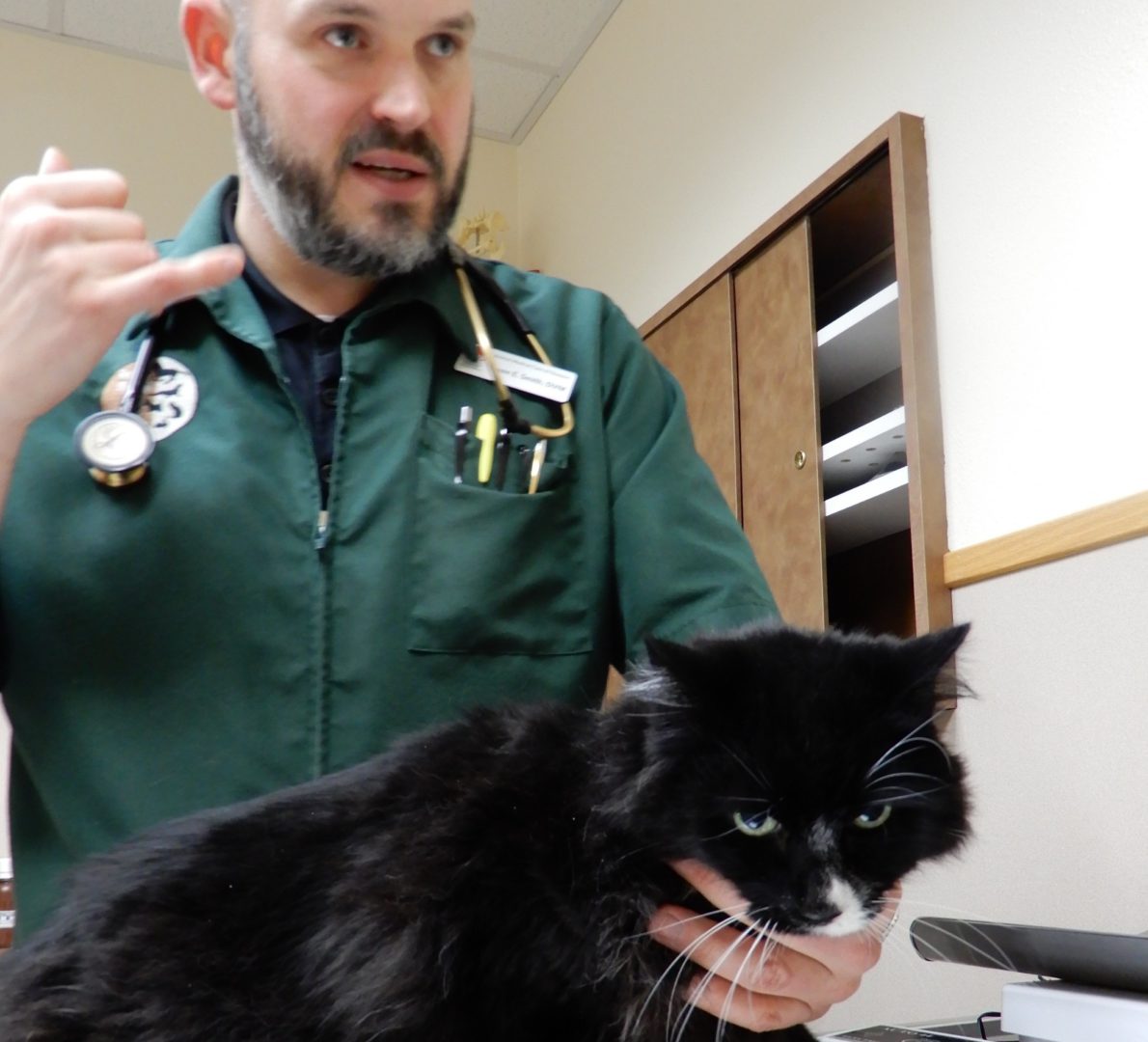
“I would be more concerned about the damage it does to the pet’s lungs from being in a closed room and having all that smoke as an irritant,” he said.
Marijuana advocates are often quick to cite the medical benefits of pot, however. According to an article in the The New York Times, animal lovers nationwide “have turned to cannabis-based products to alleviate a host of pet maladies.”
Brown, whose practice runs from pets to farm stock and exotic species, isn’t sold on the idea, yet, asserting the research is sketchy.
“The efficacy of marijuana as a treatment for pets is being studied, but it has not been scientifically established,” he said. “Therapeutic dosages have not been determined.”
In the meantime, Brown recommended that marijuana users protect their four-legged companions by keeping marijuana plants and food products in pet-proof containers.
“The biggest issue is cleaning up and making sure it’s out of reach from pets,” he concluded.
Animal Medical Care is located at 162 N.E. 10th Street, Newport, a block off Hwy. 101 behind Abby’s Pizza. For more information call 541-265-6671.


