Boiler Bay Beacon

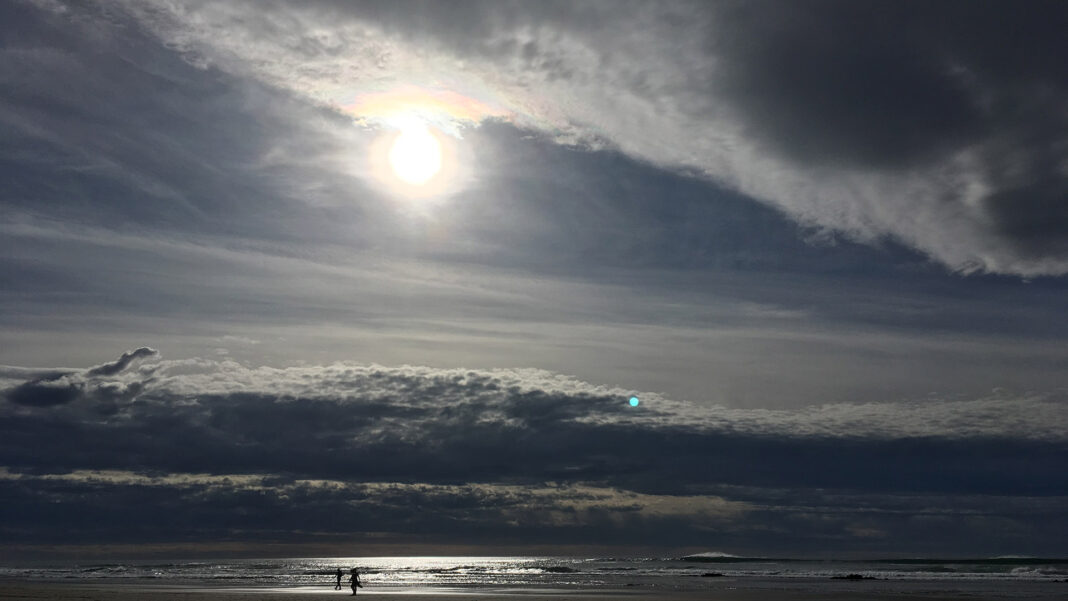
As the calendar flips toward spring, Oregonians are poised to gain nearly two hours of daylight over the next five weeks, a boon for mental health and outdoor enthusiasts alike, according to data from the National Weather Service in Portland.
The shift, driven by the Earth’s tilt and the approach of the vernal equinox, promises longer evenings and brighter mornings, offering relief to those affected by seasonal affective disorder (SAD), a form of depression that often intensifies during the shorter days of winter.

“Extra sunlight can be a game-changer for people struggling with mood dips in the darker months,” said mental health advocates, noting that increased exposure to natural light boosts serotonin levels and improves overall well-being. Even for those without clinical depression, the extended days mean more time for beach walks, gardening or simply enjoying the Pacific Coast’s stunning vistas.
For residents in Lincoln County and nearby areas, the changes will be similar to those in Portland, with sunrises creeping earlier and sunsets lingering later. Here’s a breakdown based on NWS projections:
- Feb 25 — Sunrise: 6:55 AM PST | Sunset: 5:52 PM PST | Daylight: 10 hours 57 minutes
- March 4 — Sunrise: 6:43 AM PST | Sunset: 6:02 PM PST | Daylight: 11 hours 19 minutes
- March 11 — Sunrise: 7:30 AM PDT | Sunset: 7:11 PM PDT | Daylight: 11 hours 41 minutes (Clocks spring forward 1 hour on March 8 at 2 AM — welcome to PDT!)
- March 18 — Sunrise: 7:17 AM PDT | Sunset: 7:20 PM PDT | Daylight: 12 hours 3 minutes
- March 25 — Sunrise: 7:03 AM PDT | Sunset: 7:30 PM PDT | Daylight: 12 hours 27 minutes
- April 1 — Sunrise: 6:50 AM PDT | Sunset: 7:39 PM PDT | Daylight: 12 hours 49 minutes
From today until April 1, that’s an increase of about 1 hour and 52 minutes. That’s enough to transform rushed errands into leisurely strolls.
The impending switch to daylight saving time on March 9 adds to the mix. Clocks will spring forward an hour, instantly extending evening light at the cost of a lost hour of sleep.
Daylight saving time has a storied history, first implemented in Thunder Bay, Canada, in 1908, and widely adopted during World War I by countries like Germany in 1916 to conserve energy. The U.S. followed suit in 1918, though it was repealed a year later amid public backlash. It returned during World War II and was standardized nationwide with the Uniform Time Act of 1966.
In recent years, debates over abolishing the twice-yearly clock changes have heated up. Oregon lawmakers have pushed bills to adopt permanent standard time or daylight saving time, often contingent on neighboring states like California and Washington following suit. A 2019 law aimed for year-round daylight saving time but requires federal approval, which has stalled in Congress. More recent proposals, including one in 2025 to lock in standard time, failed to pass.
Proponents argue eliminating the switch could reduce health risks like heart attacks and accidents tied to disrupted sleep patterns. Critics, however, worry about darker mornings impacting schoolchildren and commuters.
The increasing daylight stands as a natural win, reminding everyone that brighter days are on the horizon. As my neighbor put it, “It’s like nature’s way of saying, ‘Hang in there. Spring is coming.'”