


 Boiler Bay Beacon

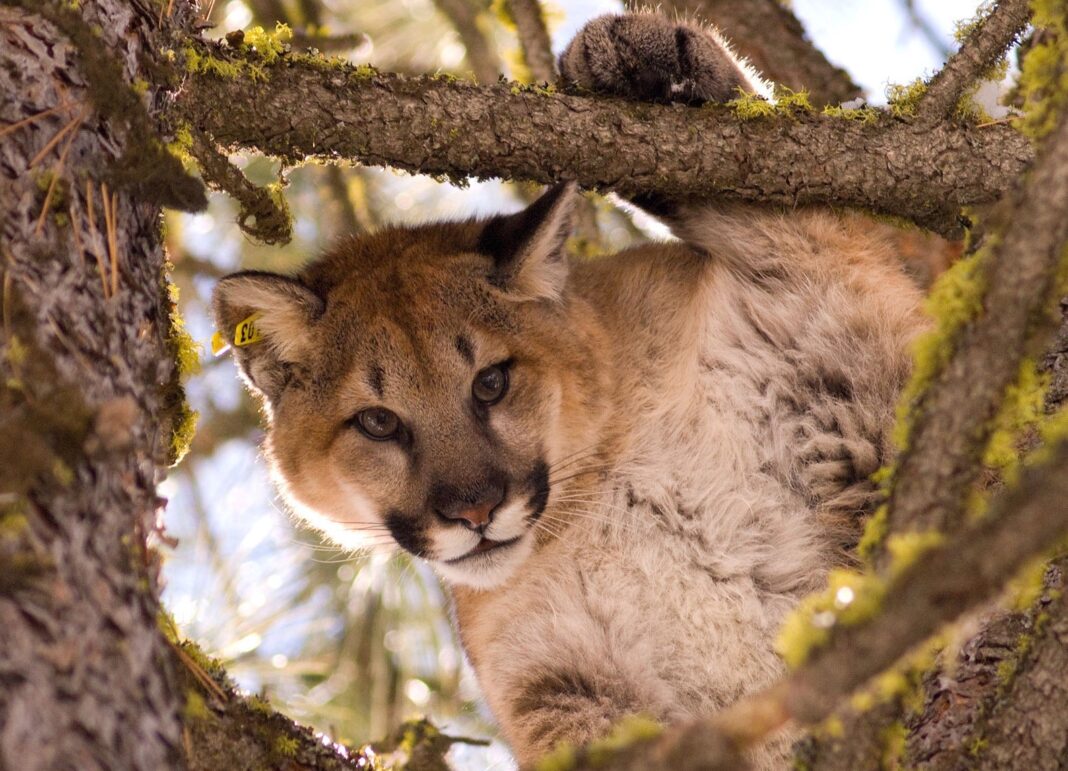
DEPOE BAY — “A cougar ate my cat!” is the common refrain of pet owners here following a wave of missing pets and mountain lion sightings throughout town.
The crisis was made official when town elders raised the alarm with a deputy sheriff at the Jan. 20 meeting of the Depoe Bay City Council, where city administrator Kim Wollenburg drew a worrisome picture of wild animal encounters.
“They’re in the Winchell Street area constantly, and now they’ve crossed the highway to the west side of town,” she reported to anxious city councilors who endorsed direct intervention by the county sheriff and a PR campaign to safeguard pets and pet food at night.
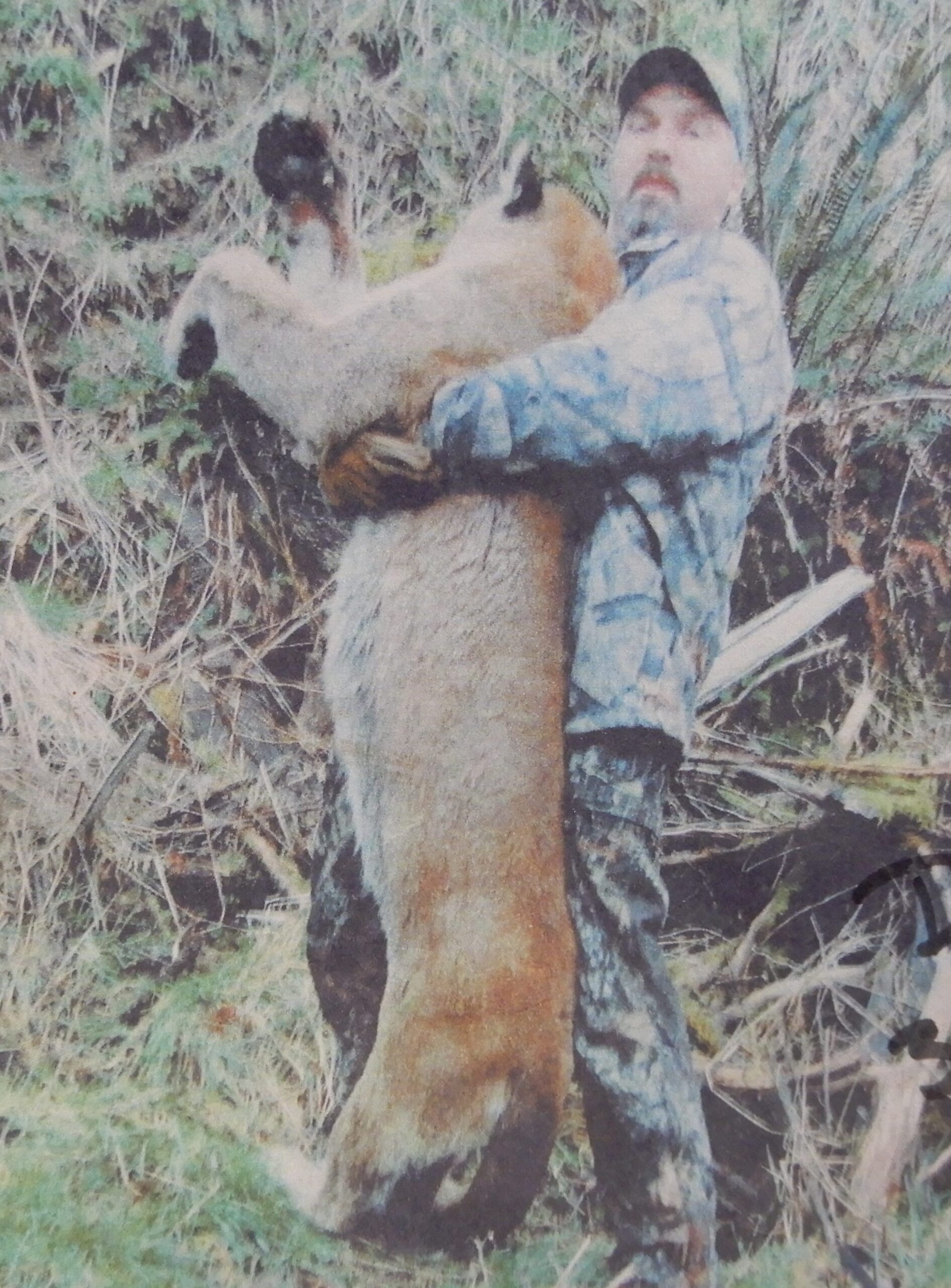
The pearl-clutching reaction to cougars roaming Depoe Bay is hardly new. The tiny city of 1,600 mostly elderly pet-loving residents is surrounded by 100,000 acres of timberlands — a wild habitat dominated by apex predators such as bears, cougars and raptors. Ever since a change in hunting laws gave the advantage to mountain lions, their population has exploded from a nearly extinct 200 in the late 1960s to an estimated 6,600 in 2026.
An ODFW report stated, “Cougar-human conflict in Zone A (the Oregon coast) increased substantially since the early 1990’s due to increasing cougar numbers and increasing human population.”
“Folks need to be aware that we have cougars around our communities,” commented Jason Kirchner, a cougar specialist with the Oregon Dept. of Fish and Wildlife who has captured and collared a dozen of the big cats in Lincoln County as part of his research into their growing numbers.


A Depoe Bay eyewitness reported one cougar as a full-sized adult male weighing 180 to 200 pounds, “muscley and in peak condition that doesn’t seem to be afraid of people.” Another sighting, at night, involved a cougar running north on Bayview across from the community center and flying up the bluff in one or two bounds. A puma was also spotted on Indian Trail Rd. with a cat in its jaws. Another was seen on a walking trail east side of town.
City Superintendent Brady Weidner has been the point man through several episodes of cougar anxiety, believing the ‘hyper-carnivores’ that usually spring from ambush are following deer into town or taking advantage of smaller prey, including raccoons, cats and dogs.
“The main thing we want to warn people is to keep their dogs and cats in at night and not leave any pet food out,” he stated.
A cougar management plan published by Oregon Dept. of Fish and Wildlife states the astonishing rebound of big cats has endangered deer and elk populations, resulting in “a history of decline and lack of ability to sustain themselves.” In an effort to reduce cougar numbers, hunting quotas were raised and hunting fees kept low. Wildlife managers hoped to reduce the cougar population in the coastal region by 180 last year, but only 10 cats were killed by hunters or cars.


