


 Boiler Bay Beacon

DEPOE BAY — Facing new signs of financial chaos, city officials last week dropped efforts to balance years of fishy financial records and voted to move forward instead with an uncertain plan to restore fiscal order.
The move came during a busy April 7 meeting where a controversial tree ordinance was shelved, a property owner fought city hall and won and it was revealed the city had been garnished by the Oregon Dept. of Revenue for unpaid taxes. The cheerless session closed on a buoyant story, however: a seal survived his stranding in the harbor thanks to helpful city workers.
Voting 5-0, city councilors adopted a risky strategy to bring Depoe Bay into compliance with a state law requiring public bodies to submit annual financial reports to the Oregon Secretary of State. The “strategic shift” halts work to accurately balance past due records for fiscal years 2020 to 2023 and proceed with “best available” bookkeeping likely to be flagged by city or state inspectors for discrepancies.
The plan’s author, recorder/administrator Kim Wollenburg, blamed previous administrations for the bookkeeping debacle. The last time the city produced an audit was for FY 2019-20.
“I’m trying to end up with a clean audit for 23-24,” Wollenburg told councilors. “I don’t want to spend more time that I don’t have to recreate things or figure out what they did or why. It is what it is, and we need to move forward.”
Wollenburg said state officials declined to endorse the tactic, which was also rejected by the city’s own auditor.
“Then find a new auditor,” remarked Mayor Valerie Sovern as the council approved the approach. “We are not alone in late audits — the state came out with a whole giant list.”
At least 20 cities and districts in Lincoln and Tillamook County are part of a growing statewide financial scandal involving missing audits and other important financial records, according to a new report by the Oregon Secretary of State.
Councilors also grew uneasy over news the Oregon Dept. of Revenue recently garnished the city’s bank account for nearly $9,000 in unpaid payroll taxes. Wollenburg said she was getting bounced between state offices in an effort to “figure out what happened.” Councilor Fran Recht pressed the issue, saying the city had past problems with federal taxes going unpaid; she called for monthly financial statements and a report on credit card spending. Another councilor called the development “sad,” but a debate over forming a committee to oversee financial affairs went nowhere.
Another hot spot was doused when a controversial tree ordinance was tabled due to “overreach.” One councilor said the proposal was “incurring the wrath of people who own property;” another criticized it as a rule in search of a problem. But the law’s sponsor, Fran Recht, defended the measure, saying current rules “allow people to mow down trees.” The vote to suspend further study was 3-2 after staff estimated $20,000 had been spent so far on the matter.
In a major turnabout, the city council reversed a Feb. 2026 decision to avoid reimbursing a property owner for building water and sewer lines on Stanley St., off Collins Ave. Developer C.A. White sought $333,000 according to a traditional formula that was rejected in favor of a different model that White called “unjust.” After a public hearing where the city’s attorney said the council could go either way, it agreed 5-0 with the developer.
In other matters, a harbor commissioner reported the charter boat fleet as “pretty hostile territory right now” in the wake of new harbor policies, including a pending head tax commercial passengers. It was also disclosed that the harbormaster has resigned. A request by Tradewinds co-owner Tadd Mick to allow charter boats to leave crab pots on the docks was dismissed as an “insurance issue.”
Homeowner Bill Madden was also present to complain about the city’s erection of three portable toilets across from his Conway St.-Bay View Ave. home, destroying his view of the harbor.
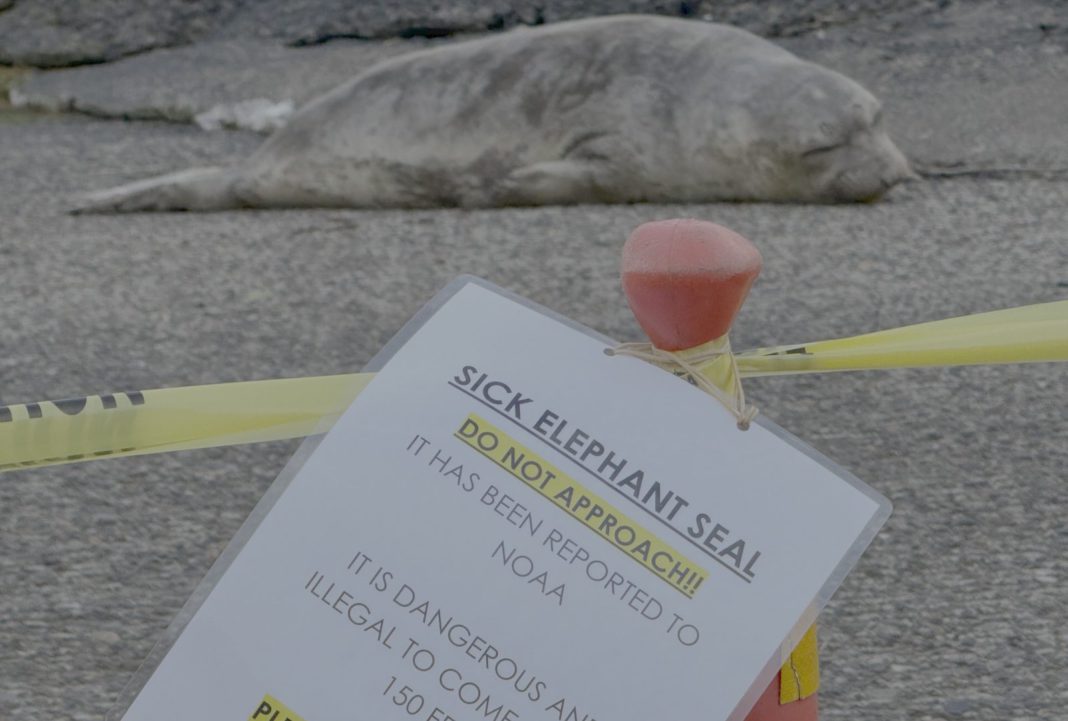
Closing the meeting on a brighter note, councilors learned how city employees rallied around a stranded elephant seal on the city boat launch, bringing in marine wildlife experts and state fish and game personnel. The juvenile seal was undergoing a natural but painful “molting,” whereby the fur is shed. The ramp was blocked off temporarily to protect the animal until ODFW workers moved it to an undisclosed beach.
“We were so worried,” recalled Wollenburg, who took over management of the harbor two weeks ago. “He was shivering and quivering and we wanted to wrap him in a blanket.”
Depoe Bay harbor is a city-owned port and seasonal home to about 90 small craft including private, charter and U.S. Coast Guard vessels.


