


 Boiler Bay Beacon

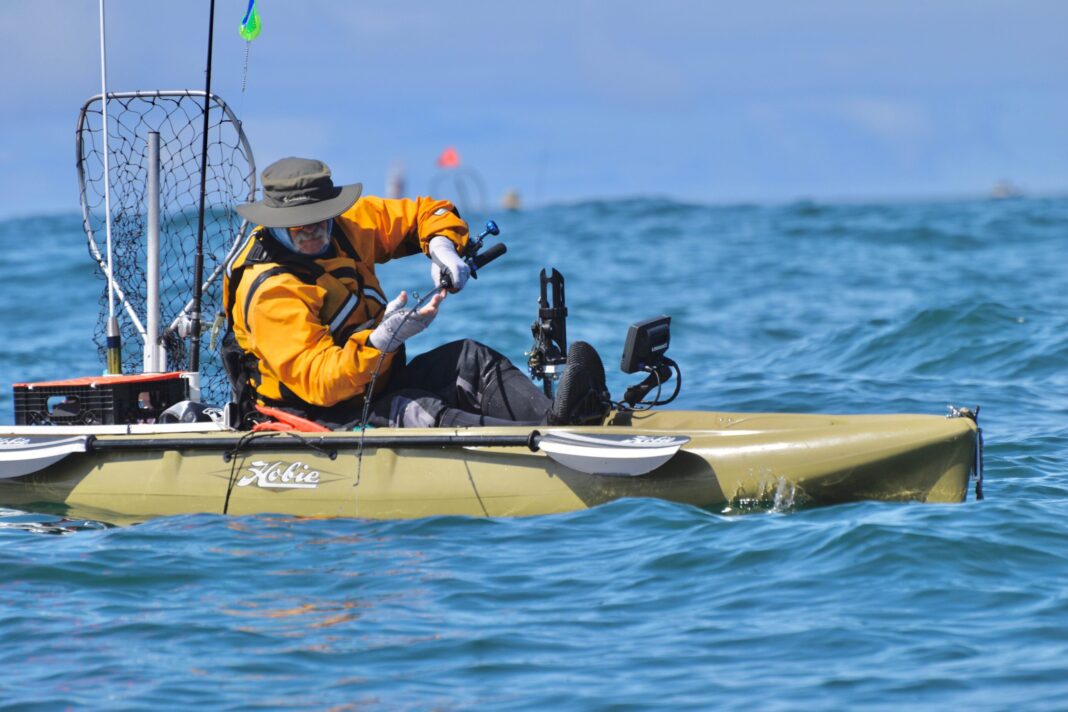
SALEM — Ocean anglers will pay a $9 fee atop a regular fishing license in order to fish off a boat, bank or beach beginning Jan. 1, 2026.
 The new ocean-fishing “endorsement” is part of a sweeping hike in hunting and fishing license fees approved as House Bill 2342, signed by Gov. Tina Kotek on June 24. The overall 22 percent surge on outdoors charges includes commercial fishing and crabbing permits, boat licenses and guide fees.
Officials with the Oregon Dept. of Fish & Wildlife argued the increases were the first in six years and are needed to offset rising costs. Oregon outdoorsmen provide at least half the agency’s $610 million biennial budget through licenses and taxes on gear, tackle and ammo. The new charges are expected to generate $49.3 million in extra revenue through 2029.
But the new saltwater tariff came as a surprise to many people on the Oregon coast whose livelihoods depend on sportfishing. They worry the sharp hikes, staggered to rise over a four-year period, will damage the tourist-dependent fishery.

“There’s a breaking point, especially for out-of-staters,” said Tadd Mick, co-owner of Tradewinds Charters in Depoe Bay, where a new city tax was recently imposed on charter boats. “A fishing license used to cover everything, then they tacked on separate tags for shellfish, salmon, halibut. Now this.”
Idaho, Montana and Washington visitors are a large chunk of charter industry business. Non-resident 7-day fishing licenses will jump from $59.50 to $131 — a 120 percent increase — not including the $9 ocean-fishing endorsement.
Fred Frye, a longtime commercial fisherman and mayor of Powers, Ore., who works closely with tribes and fishermen, described the ocean endorsement as a tax. “Call it what you want, it’s a levy on top of a fee that makes it more expensive to be a tourist in Oregon. It’s going to be bad for business, and work a hardship on people.”
Frye said fishing is not a rich man’s sport. Putting the squeeze on a dwindling number of outdoorsmen could backfire, he said. When he was a kid living in a camper by the dock, everyone had a license. “Nowadays, only 15 percent of Oregonians know the sharp end of a hook; hunting is worse, maybe 9 percent have a license. Raising prices won’t help that trend.”
Amy Patrick of the Oregon Hunters Association claimed the great outdoors gets little support from Oregon taxpayers, forcing ODFW to balance its budget on the backs of hunters and fishers.

“For all Oregon’s talk about valuing open spaces and wildlife, less than 10 percent of the state budget is expended on natural resources,” she said. “I understand the outdoors community has angst with the agency, but we supported the bill because ODFW has been fiscally responsible. They do have sportsmens’ interest at heart.”
ODFW officials say the extra money raised by fee increases pays for state programs such as black rockfish counting that has helped anglers increase their catch when federal regulators wanted it reduced. “Without good data, you can’t have a fishery,” noted ODFW spokesperson Michelle Dennehey.
For Oregon anglers, the cost of a basic resident fishing license will go from $43 to $56 by 2030. A resident “sportspac” license that bundles angling, shellfish, and hunting licenses, plus various tags (deer, elk, bear, turkey) and validations (upland bird, waterfowl) into one purchase, will climb from $196.50 to $311.
Hunters will see the license costs go up, too, from $34.50 to $45 for a basic license; an elk tag will go from $49.50 to $60. Cougar, turkey and bear permits remain the same, $16.50, reflecting ODFW concerns over property damages and lopsided wildlife populations.
Fifth Dist. Senator Dick Anderson (R-Lincoln City) joined State Rep. Dave Gomberg (D-Neotsu) in voting for the measure, which passed 37-12 in the House and 19-10 in the Senate.


