


 Boiler Bay Beacon

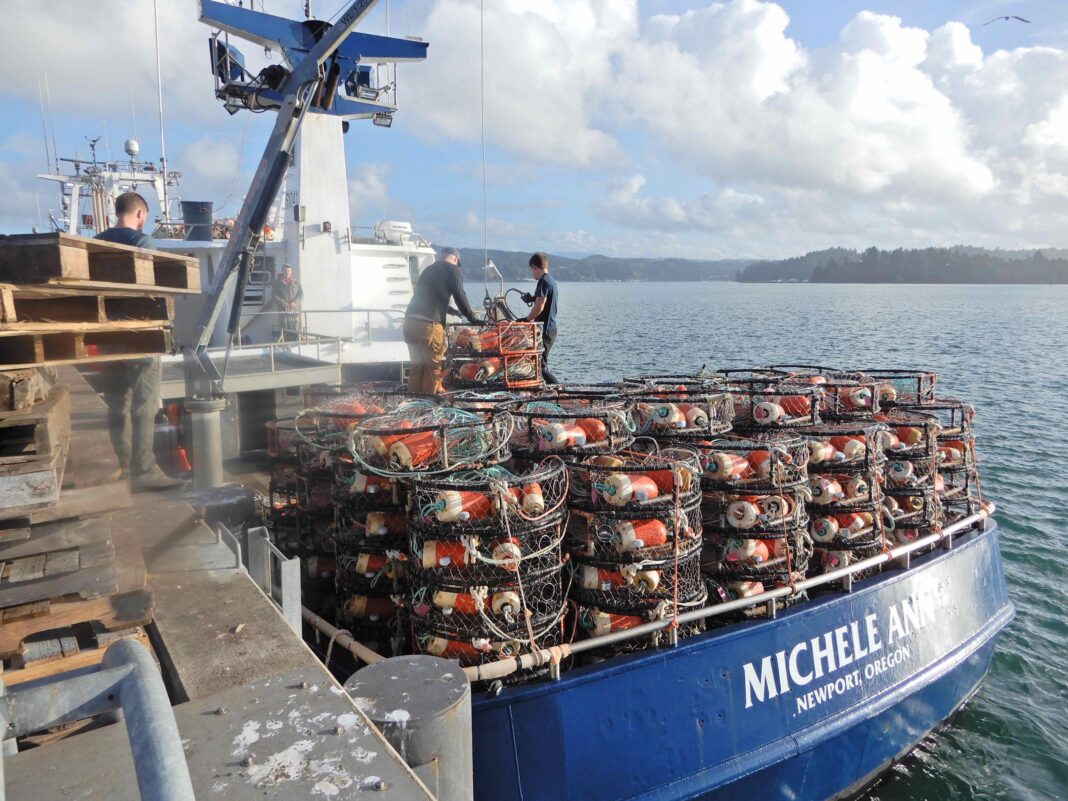
Lincoln County’s Dungeness crab fleet is standing firm against escalating gear restrictions from the Oregon Department of Fish and Wildlife (ODFW).
These rules stem from concerns over humpback whale entanglements, including the stranding and euthanasia of a juvenile whale north of Yachats in November 2025.
The push intensified after a recent gathering at Englund Marine in Newport. Crab permit holders, boat captains, buyers and supporters rallied under the Oregon Crab Association to coordinate their response ahead of the Oregon Fish and Wildlife Commission’s February 20, 2026, meeting. At that session, ODFW will evaluate a December 11, 2025, petition from conservation groups such as Oceana, the Center for Biological Diversity, Natural Resources Defense Council and the American Cetacean Society.
The petition demands aggressive steps: a 40% cut in pot limits, shallower 30-fathom depth caps starting April 1 annually through 2028, bans on traditional gear after April 1 from 2028 onward, promotion of “pop-up” or ropeless gear to ditch vertical lines, plus faster incident reporting and possible emergency area closures.
ODFW already rolled out tougher late-season measures for 2025-2026, shifting them up from May 1 to April 1. Crews now face a 20% pot reduction, must stay inside 40 fathoms (roughly 240 feet), and tag pots with special secondary buoys for tracking. The goal is fewer vertical lines during peak whale migration windows.
Entanglements drive the changes. Federal records tie three humpback cases to Oregon crab gear in 2024 and four in 2025. The Yachats incident hit home: On November 15, 2025, a young male humpback, tangled in lines from the 2023-2024 Oregon commercial Dungeness season, beached alive in Lincoln County. The West Coast Marine Mammal Stranding Network cut lines and tried to refloat him, but severe injuries and prolonged stranding left no hope. Vets euthanized the animal late on November 17, 2025, as the humane choice, followed by a necropsy to assess causes.
Conservationists called it a wake-up call. Oceana’s Ben Enticknap highlighted entanglement risks tied to climate-shifted whale migrations bringing them closer to shore.
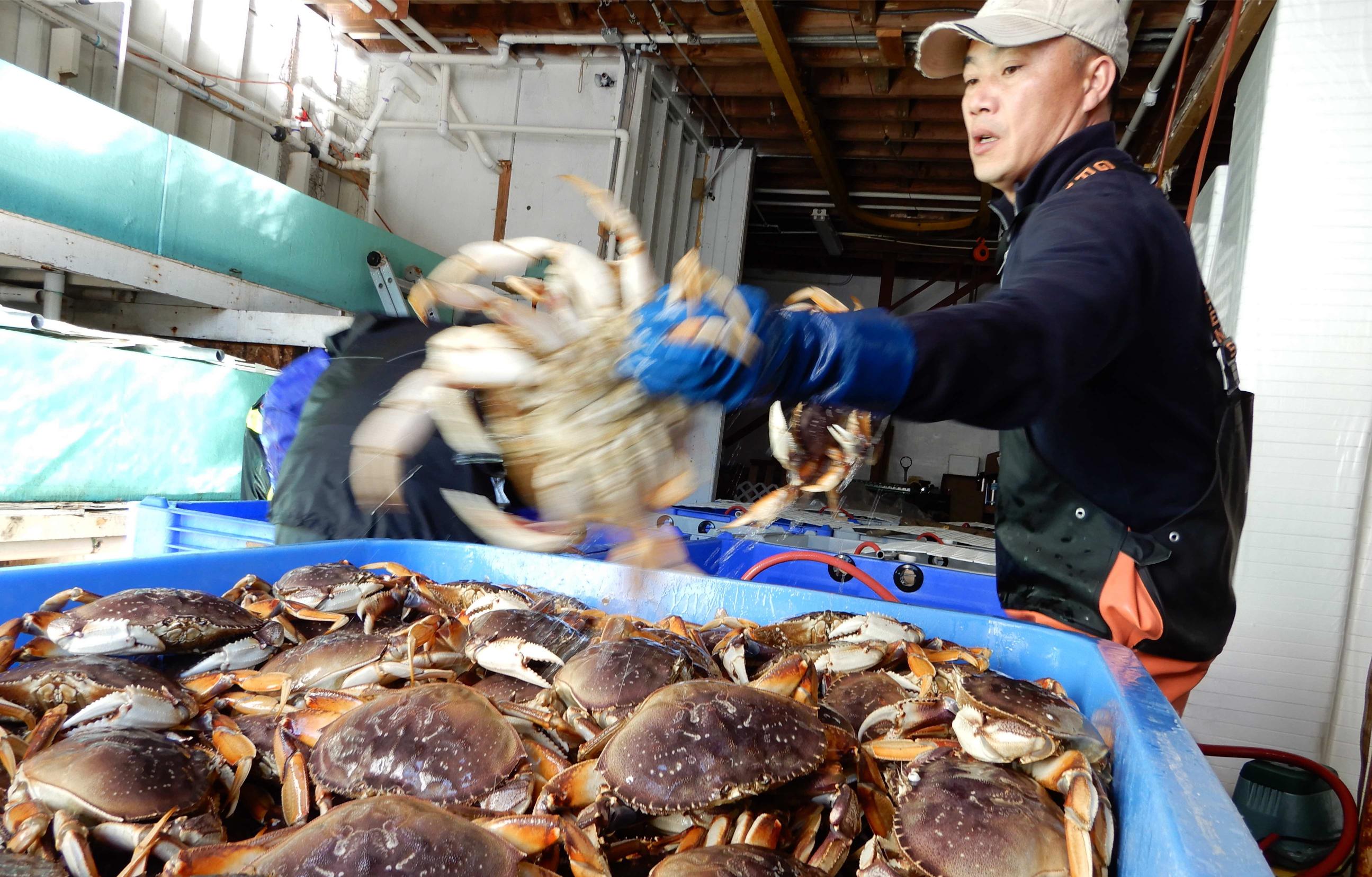
Yet for Lincoln County’s coastal backbone, these rules risk real hardship. Ports in Newport, Depoe Bay and Lincoln City rely on the fleet. Commercial fishing supports family boats, processors and jobs here, with Dungeness crab often making up over 40% of local seafood value and contributing significantly to the area’s economy—where the fishery helps drive about 15% of overall economic activity in places like Newport and surrounding Lincoln County. Statewide, recent seasons have seen ex-vessel values hit records like $97.1 million in 2024-2025 (despite lower volume) and around $99.5 million in 2024, underscoring crab’s role as Oregon’s top single-species fishery.
Local crabbers argue the proposals go too far. Existing protections—tiered pot limits of 200-500 per vessel, escape rings to release undersized crabs, derelict gear cleanups and mandatory line markings—already cut risks effectively. Pop-up gear sounds good on paper for removing buoy lines, but it’s pricey and unproven for the full fleet hauling heavy pots in rough seas.
ODFW’s Marine Resources Program Manager Justin Ainsworth said the earlier April cutoff better aligns with whale presence to reduce overlap. The agency is crafting a conservation plan to balance protected species needs with a sustainable fishery.
Public input on the petition stays open via ODFW. The February 20 meeting will decide on denial or rulemaking (action deadline March 11, 2026). Lincoln County crabbers stress practical, science-driven fixes that safeguard whales without sinking family operations that have sustainably harvested these waters for generations.



crab season January thru may mostly
November of 2025 there was no crab season so there wasn’t any gear out by any legal crab fishermen… probably some random fishing netting from or something floating around from who knows where we have a whale tank in Newport so why are we using it to rescue them The crabbing industry isnt the problem Our crabbers take care of their gear … God Bless them