


 Boiler Bay Beacon

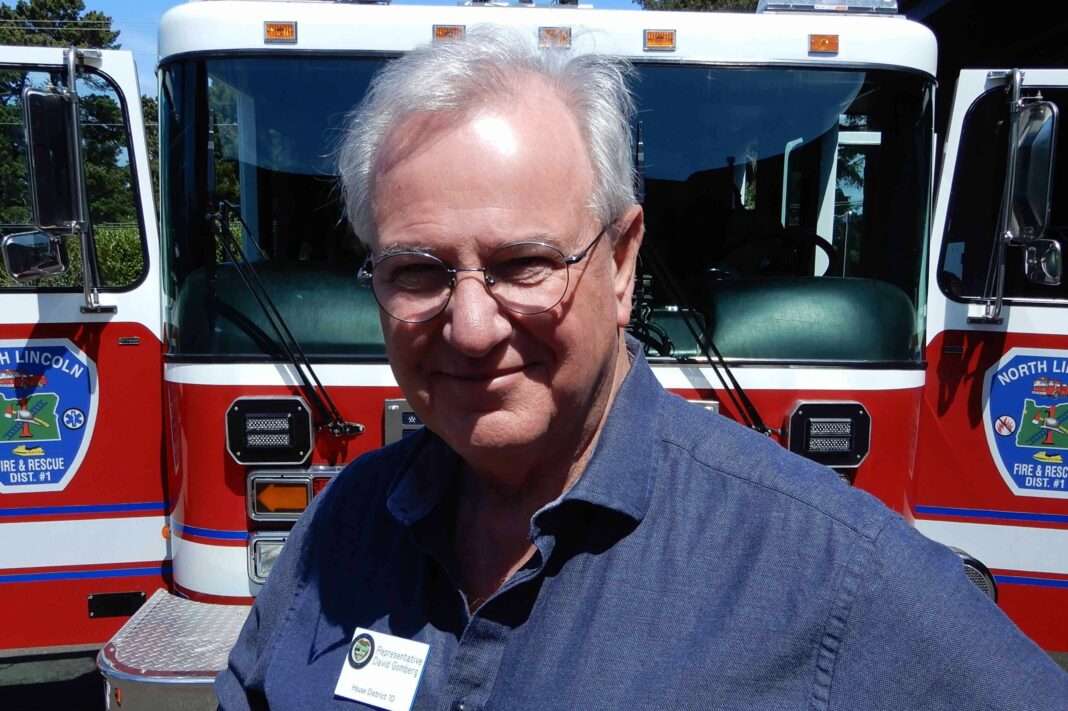
SALEM — State Rep. David Gomberg (D-Lincoln City), back from a fact-finding trip to Israel, said this week he supports a $7.3 billion state transportation budget that will be paid for, in part, through steep hikes in driver’s fees and payroll taxes.
 The funding measure, HB-3991A, is a bitterly contested law to close a billion-dollar shortfall in the highway plan, a conglomeration of road improvements, special interest DEI and climate projects outlined in the 2025-27 1,500-page ODOT budget.
Despite overwhelming support in the super-majority Democrat house, its adoption has been stalled by the absence of a desperately-ill Democrat state legislator needed to pass the measure in the Oregon senate. The vote is slated next week, if the ailing Democrat senator is released from the hospital.
Senate Republicans are united in opposition.
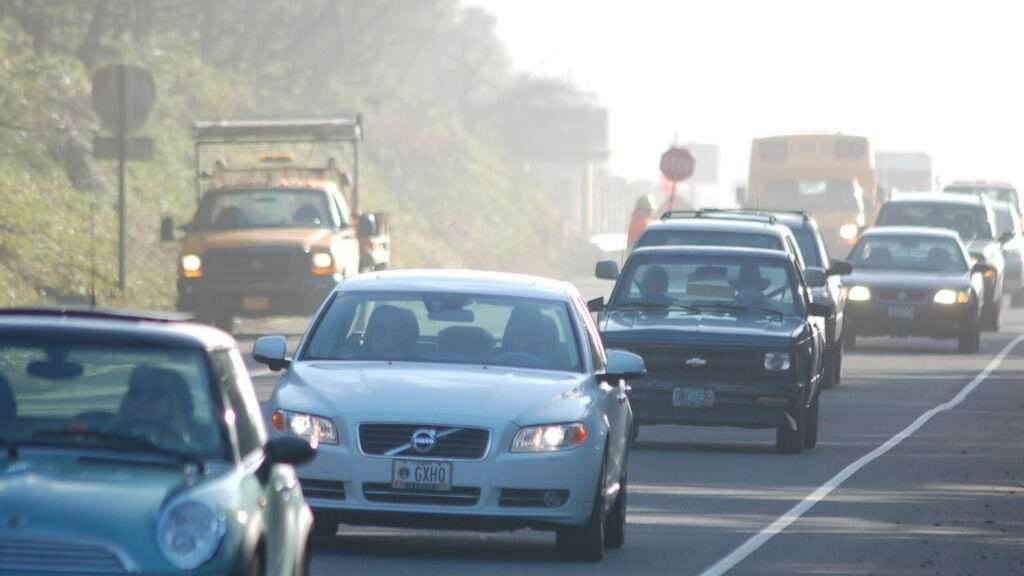
When approved (likely in Oregon’s Democrat-dominated legislature), the new law will increase gas taxes ($0.40 to 0.46/gal), require a per-mile or a flat fee of $320 from EV owners, boost registration fees from $43 to $85 a year for family cars, and double state payroll transit taxes. Interestingly, Oregon was the first state in the U.S.A. to adopt a motor vehicle tax of one cent per gallon in 1919. It went from 24 cents to 30 in 2017, and to 40 cents in 2024. Is there a pattern here?
Representative Gomberg told the Beacon he voted ‘yes’ on the measure after pushing for cutbacks to the governor’s proposed spending.
“I led the effort to make the cuts,” Gomberg told the Beacon, describing an initial proposal that was beyond comprehension. “It was three times larger.”
Still, the ODOT budget retains eye-watering proposals like a $20 million teen driver education department, $430 million for a slow-moving interstate bridge, money for a climate office, the de riguer Office of Equity and Civil Rights Dept. with its billion-dollar Rose Quarter stratagem to rebuild a lost inner city over the existing I-5 highway, and a half-million for the homeless.
“I’m not going to argue things couldn’t be done better,” said the veteran businessman and Dist. 10 legislator, first elected in 2012. “I didn’t like the fact that half the money goes to the cities and counties based on population, yet our rural drivers have to drive farther for shopping, school and health care and our roads are loaded with Labor Day tourists.”
Those compromises aside, Gomberg said he is driven by safety issues on Coast highways. “On Highway 20 alone, eight people have died between Newport and Philomath so far this year.”
Tax increases, utility hikes, affordable housing and the price of groceries are subordinate to safe and drivable roads, he argued.
“I don’t like tax increases,” Gomberg said. “I know this vote isn’t popular with everyone. But I’m not afraid to take a hard vote when it’s the responsible thing to do.”



David Gomberg is a true politician who speaks out of each side of his mouth. He says he tried to change transportation bill as the tax increase was too high but yet voted for it. The state has the money but they can’t cut the waste. Our state budget has increased way faster than inflation for programs we do not need.