


 Boiler Bay Beacon

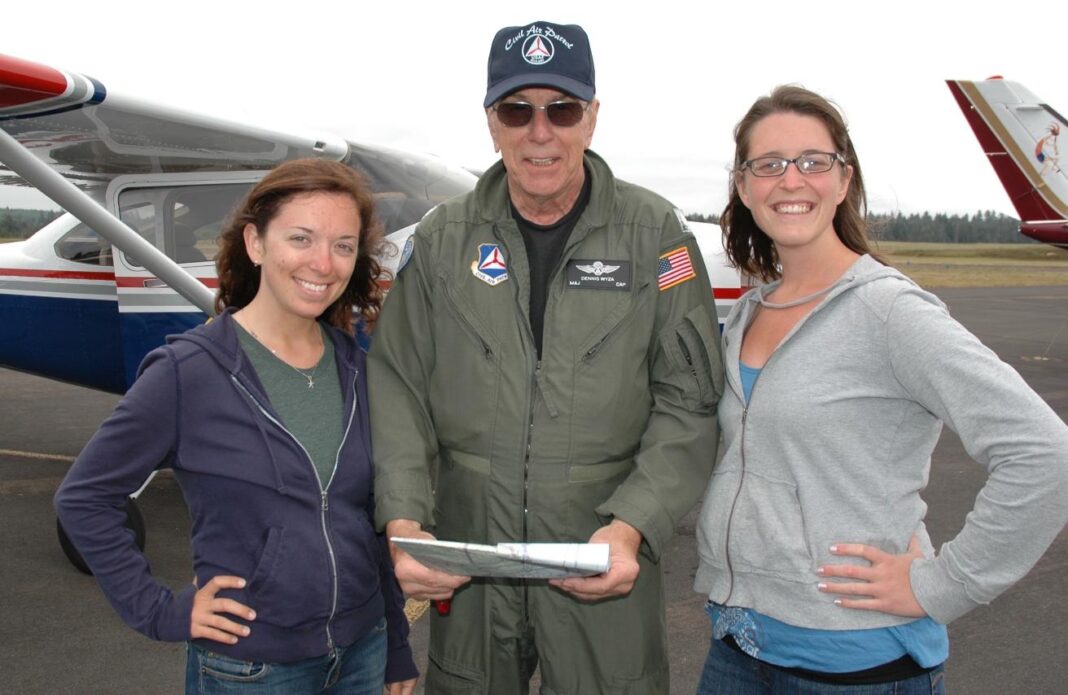
LINCOLN CITY — An elite team of searchers who locate missing planes that no one else can find has its eyes on Lincoln County, which is notorious in the annals of aviation mystery.
The Missing Aircraft Search Team (MAST), a small group of volunteers who tackle lost-airplane cold cases, is blowing the dust off three baffling incidents that still haunt families of the missing aviators. In each example, the aircraft and people on them were last seen taking off from airfields in Lincoln County — and never heard from again.
“We try to get into the mind of the pilot on that critical day. We felt he might fly towards his beach house at Salishan to break in his new engine.”
–LEW TOULMIN, co-founder of MAST
MAST takes on missing general aviation aircraft cases when asked to do so by either the family members or the agency having jurisdiction, once the official search has been called off.
“We then act as a ‘cold case’ team trying to solve the case by any means possible,” said Dr. Lew Toulmin of Silver Springs, Md., who spent a week combing the Coast Range northeast of Lincoln City for a long-lost Piper Cub flown by Courtland Lee Mumford. “We use probability theory, scenario analysis and other techniques to try and locate the missing plane without even going into the field. This has worked in the past for us, but not always. In this case, we needed boots on the ground.”
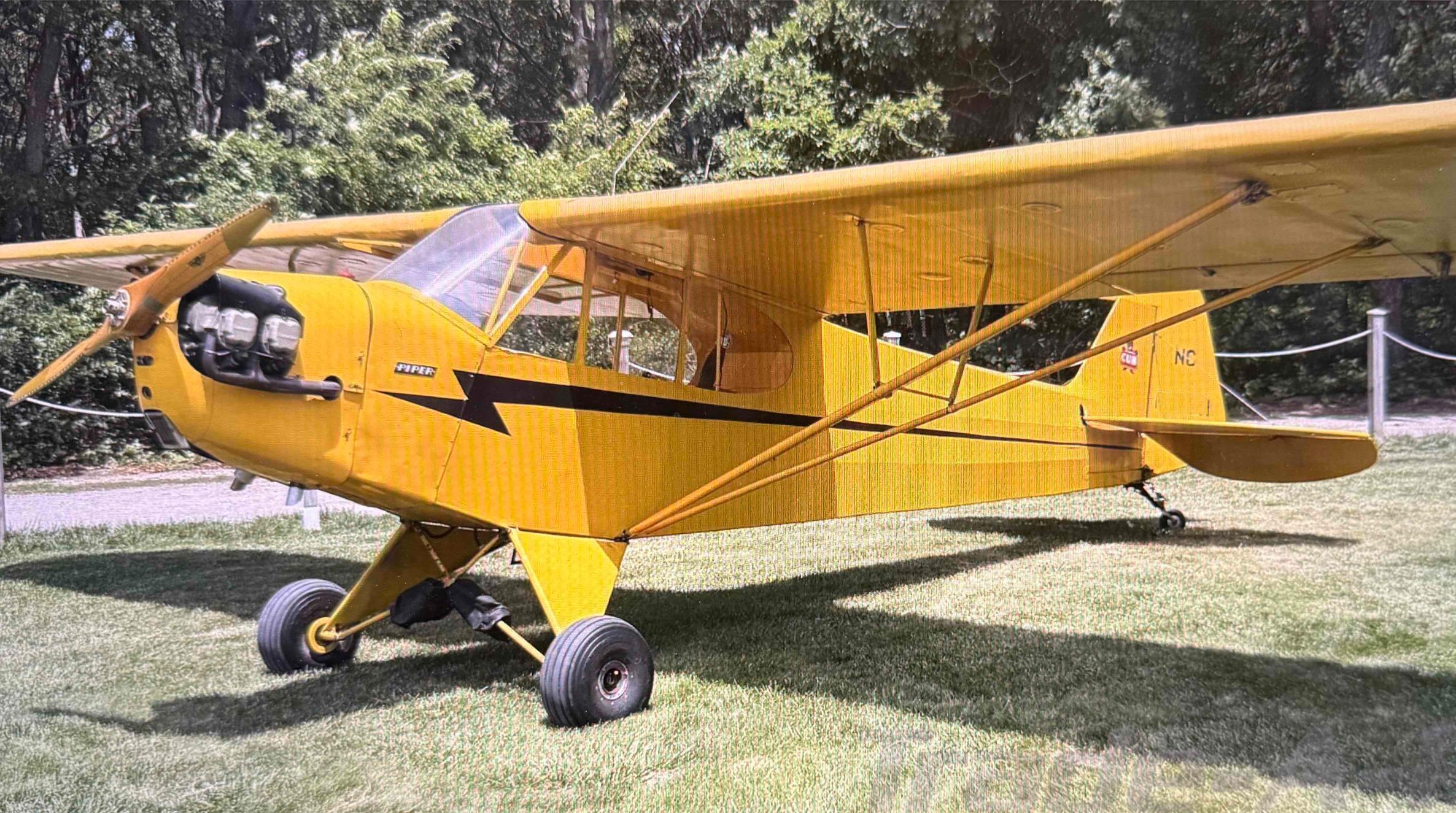
A retired airline pilot and triathlete in excellent health, Mumford, then 65, took off early on June 7, 2007 from Aurora State Airport south of Portland in a bright yellow Piper Cub he bought the month before. The Civil Air Patrol launched 125 sorties to search a 400-mile radius, the distance Mumford could fly on a tank of gas. More than 100 tips were received, including one from a psychic, but the search turned up nothing and was called off after six weeks.
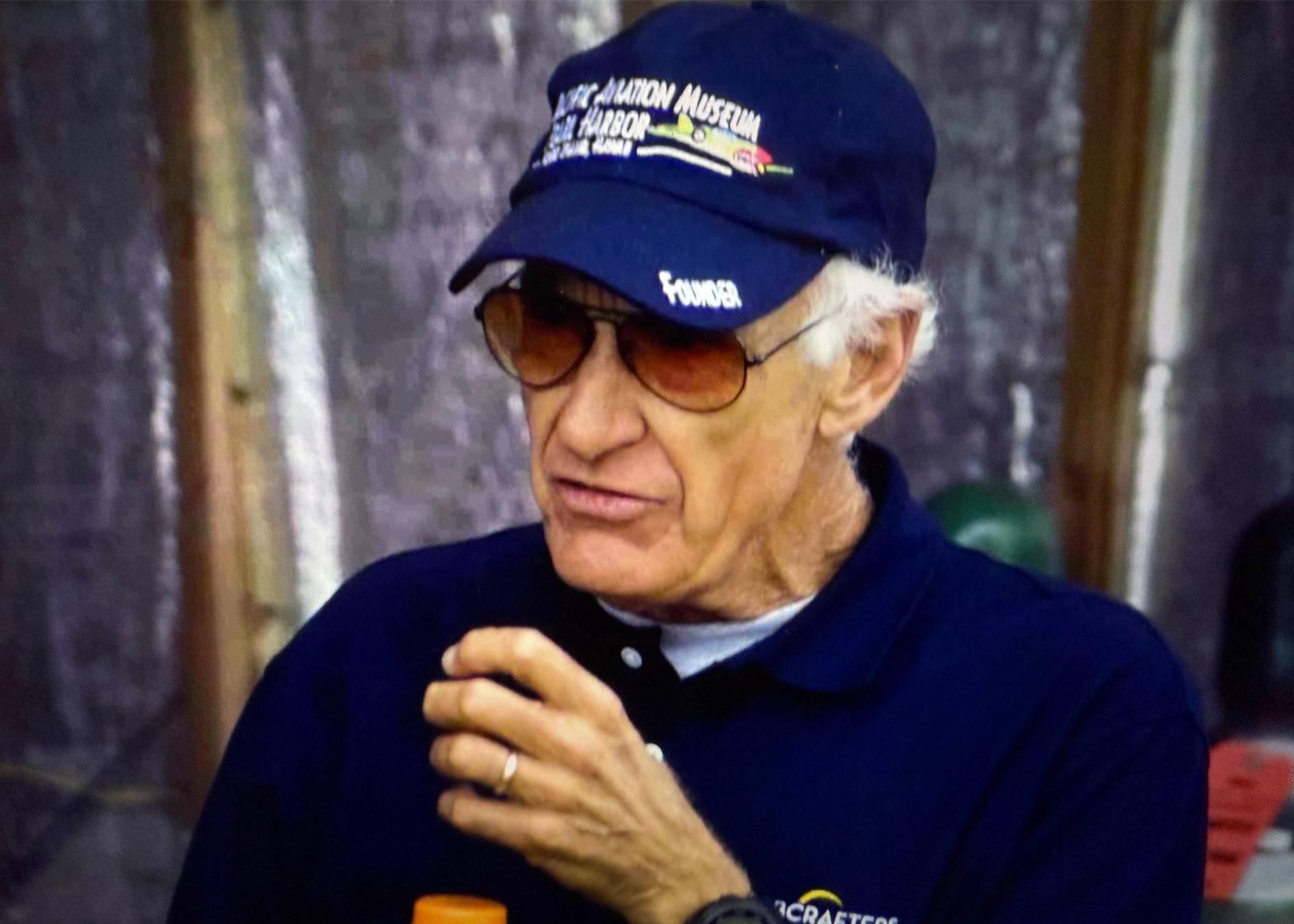
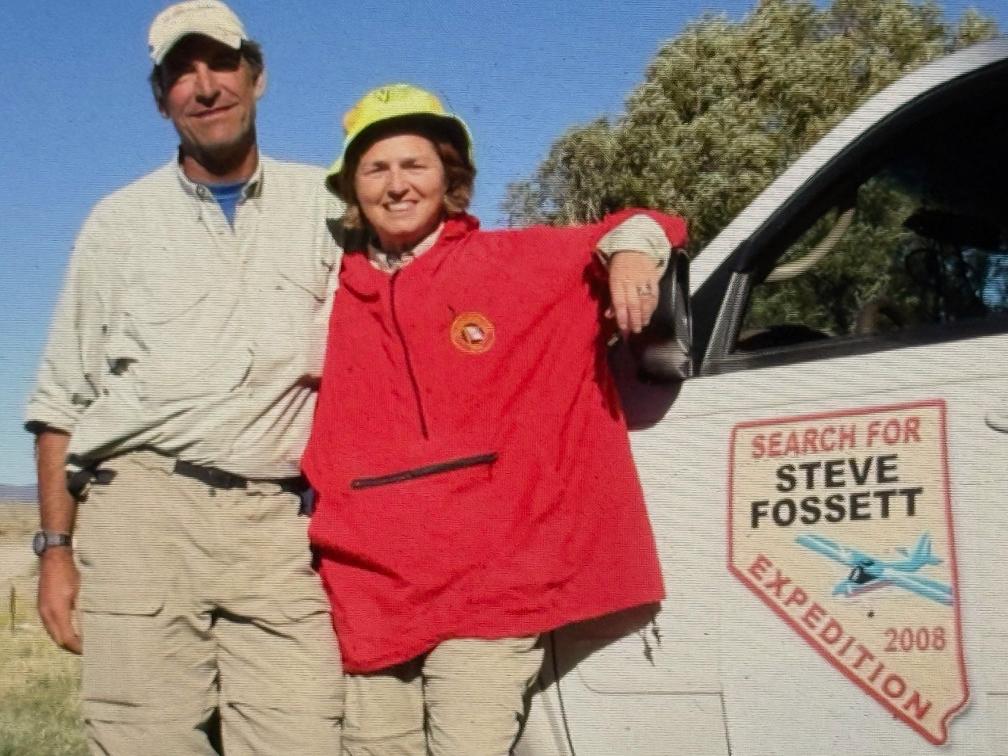
“He had tens of thousands of hours as a commercial pilot for two airlines,” said Toulmin, a member of the prestigious Explorer’s Club who co-founded MAST in 2008 after record-setting aviator Steve Fossett, a fellow club member, disappeared while flying over California’s unforgiving Sierra Nevada mountains. “He was very careful, and precise, but he wasn’t a ‘taildragger’ pilot.”
The unfamiliar flying characteristics of Mumford’s new tailwheel airplane is one of the obscure details MAST considered as it conducted dozens of interviews, learning that Mumford owned a vacation home at Salishan Resort. Slowly, a new picture emerged of ‘Court’ Mumford’s last flight.
“We try to get into the mind of the pilot on that critical day,” explained Toulmin. “We felt he might fly towards his beach house at Salishan to break in his new engine.”
Without a crash beacon to triangulate, MAST experts analyzed old radar data and found a mysterious aircraft that flew south to Newport then north to Cascade Head and back to Siletz Bay State Airport.
“We think those hits may have been our guy,” said Toulmin, who ruled-out a crash at sea because no wreckage washed ashore. “And we have an eyewitness who possibly saw him at the airport, where he used a bathroom, then took off to the north.”

Toulmin believes the expert pilot crashed in the tortured Coast Range, echoing the case of Steve Fossett who was also flying a light plane made of aluminum ribs and doped cloth. Burned to bits in the crash, the unrecognizable 2-seater was found a year later when a hiker found Fossett’s wallet in a bush.
“I’ve never seen terrain this steep and rugged, where everything ends in a dark ravine.”
–LEW TOULMIN, missing airplane sleuth
Other planes and people have disappeared into Lincoln County’s skies, never to be seen or heard from again. One of the most prominent disappearances in MAST annals departed Newport Municipal Airport on June 1, 1969, carrying four people including Ralph Savory, an experienced 55-year-old pilot from San Jose, Calif.; Gloria Savory, his wife; Dr. David R. Thomas, 43, a San Jose physician and Ruth Thomas, David’s wife.

The group was returning to San Jose after a weekend trip to the Oregon Coast. They took off from Newport at approximately 12:45 p.m. in clear weather. The last radio call shortly after takeoff indicated they were heading south along the coastline. Despite an extensive search covering the Oregon and Northern California coastlines and the rugged Siskiyou Mountains, no trace of the aircraft or its occupants was ever found, making it one of Oregon’s most enduring aviation mysteries. Because the flight path was primarily coastal, investigators have long speculated the aircraft may have crashed into the Pacific Ocean, though some believe it could still be located in the dense, remote forests of the Coast Range.
Just as mysterious was the disappearance of pilot Melvin M. Hull, 23, with 100 total flight hours, and his passenger, brother John Hull, 19, who departed Newport on June 14, 1968 in a surplus WWII aircraft for a day of fishing in the McKenzie River area east of Eugene. They were last seen flying northeast from Newport on a flight path taking them over densely forested and mountainous terrain where several missing aircraft from that era remain undiscovered.
Clues left behind in this case were heartbreaking: after a fruitless five-day search, the hunt was called off but resumed two days later when a campsite was discovered near the McKenzie River Airstrip with empty soft drink and stew cans that Melvin’s wife packed for the trip. Their father organized a futile ground search of the nearby woods. Another futile search lasting eight days occurred when a Eugene aircraft mechanic reported spotting the distinctive airplane taking off from the isolated strip June 15. The case remained closed until MAST reopened it.
According to MAST data, 255 aircraft are listed as still missing overland in the U.S., including Alaska and Hawaii. Oregon and Washington are among the leading states with aircraft swallowed-up in pitiless terrain. The year with the most missing planes was 1972 with 52 missing planes; the year with the lowest number is 2013, with one plane listed in Alaska. Missing civilian aircraft gradually increased each year starting in 1946, peaking in 1972-1973, then dropping to a low of only 4-5 cases per year in the 2000s.
The amateur airplane sleuths at MAST, like any volunteer group, are driven by a variety of reasons. Lew Toulmin believes MAST is here to solve enduring mysteries, bring closure to families and hone search and rescue techniques. But Toulmin is at heart an explorer, drawn to faraway places and earthly extremes. Finding a missing airplane in Lincoln County, Oregon, may be the ultimate challenge. It’s no surprise to him that he left the scene empty-handed.
“I’ve never seen terrain this steep and rugged, where everything ends in a dark ravine,” he concluded.



Courtland Mumford was one of my best friends and Godfather to my daughter. Thank you so much for continuing the search for him. We, his long-time friends, still wonder what happened to him. It’s a wound that won’t heal, so thank you for your efforts.
Please keep me posted!
Just one picky comment:
Courtland Mumford went missing on July 7, 2007, not June.