


 Boiler Bay Beacon

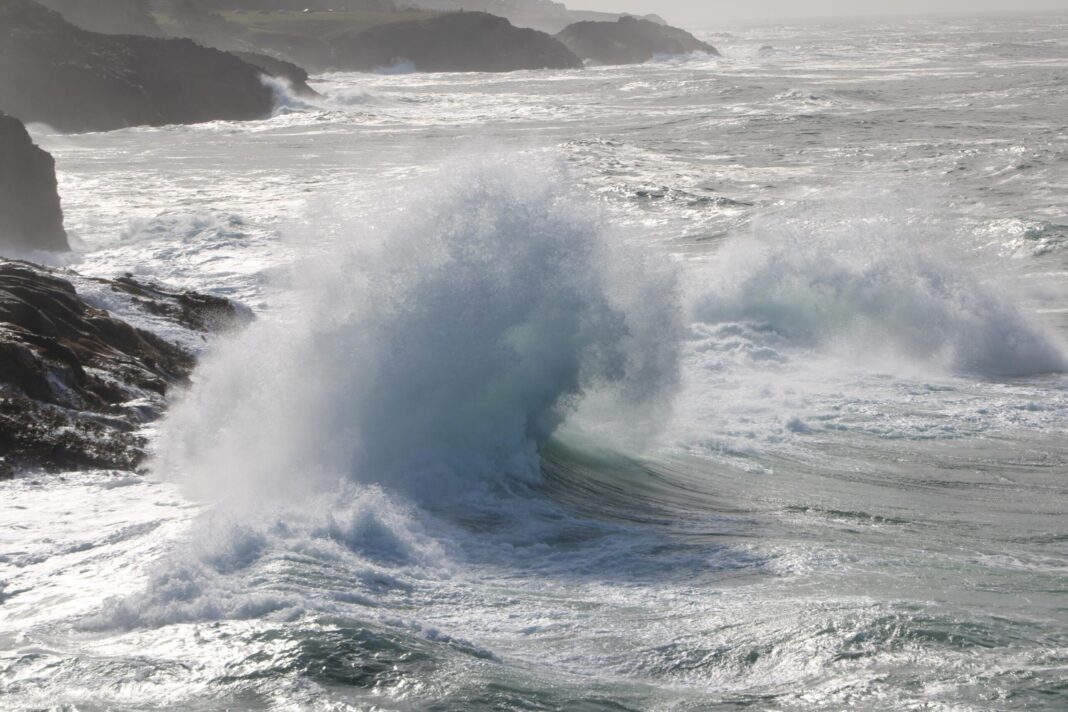
Spectacularly high waves and heightened risks of erosion and sneaker waves are forecast as king tides return to the Oregon Coast starting Nov. 5, drawing storm watchers and photographers to shorelines.
These annual events, known as perigean spring tides scientifically (the “spring” refers to alignment, not season, so the name holds through winter), occur when the sun, moon and Earth align closely, amplifying gravitational pull on ocean waters. The nonscientific term “king tides” originated in Australia and New Zealand to describe these peak seasonal highs. Now its used globally to highlight elevated water levels.
NOAA-Confirmed King Tide Schedule for 2025-26: The National Oceanic and Atmospheric Administration verifies these peak events.
- November 5-7, 2025: First surge of the season.
- December 4-6, 2025: Potential for fierce waves.
- January 1-4, 2026: Lingering winter power.
Tide Heights & Comparisons: Expect 9-10 feet above mean lower low water (MLLW) at key stations like Newport—a modest uptick from 2024’s December peaks of 8.5-8.6 feet.
Weather Watch: Pairing these tides with forecasted 14-19 foot seas and gale-force winds could deliver breathtaking visuals, but amp up risks of sneaker waves and coastal erosion. Minor overflow possible in low-lying bays, though no advisories target Lincoln County yet.
Viewing
For the best show, arrive 45-60 minutes before local high tide and linger 30-45 minutes after, per Oregon State Parks guidance. Use NOAA’s tide predictor for your spot. Highs typically hit mornings and evenings during these windows. Top viewpoints include Depoe Bay’s Seawall, Boiler Bay, and D River Wayside.
Safety First
Officials urge caution:
- Never turn your back on the ocean.
- Stay above the surf line on elevated, stable ground.
- Avoid logs, jetties and benches that can shift suddenly.
- Check local forecasts and tide tables before heading out.
The Boiler Bay Beacon invites photos during the peak times:
For real-time data, visit NOAA Tides & Currents or NWS Portland.


