


 Boiler Bay Beacon

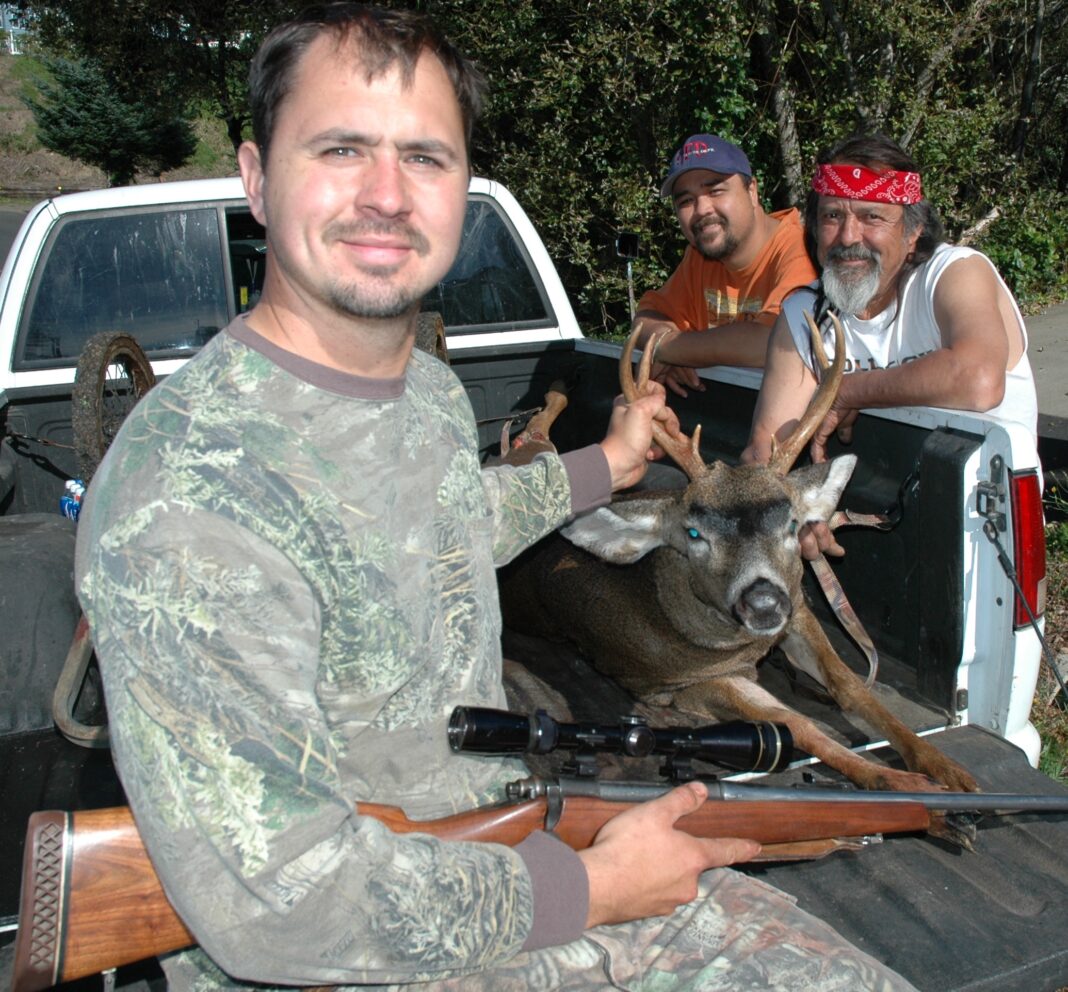
DEPOE BAY — Whether you come to the coast for the blackjack or the blacktail, Lady Luck counts for little in these parts. Patience, tenacity and technique will likely determine if you are a winner or not.
Deer season begins Saturday, Oct. 4, at dawn. Most private timber lands are currently open to motor vehicle or walk-in public access due to Access and Habitat grants. The 2024 hunter success rate reveal that about 50 percent of deer hunters dropped a blacktail in the Stott Mt. unit (#17), which stretches from Lincoln City to Dallas. The Alsea unit (#18), a sprawling area from Depoe Bay to Florence and east to Corvallis, yielded a 28 percent success rate.
What were their secrets? Were those hunters merely lucky, or did they know something about their quarry?
“Technique and patience make the difference,” claims Doug Cottam, a wildlife district supervisor with the Oregon Department of Fish and Wildlife. “And a good pair of binoculars.”
Doug spent many years studying Coast Range deer. He’s convinced that hunters, armed with knowledge about blacktail behavior, can expect a better shot at success in 2025 than ever before.
The rugged Oregon coast is the kind of territory that produces trophy blacktails. A thick patch of new trees known to foresters as “reprod,” offers a seemingly impenetrable curtain of head-high brush. But hunted correctly those thickets can yield 13 kills per square mile.
The blacktail may be Oregon’s most elusive big game animal. Despite its ample numbers — state game experts say as many as 55,000 deer are browsing the Alsea Unit this year — this mule deer subspecies is a sly master of the disappearing act. An impulsive feeder who may wander his brushy turf at any time of the day or night, he rarely follows the same trails and seldom travels in large groups.
What is predictable about the blacktail is his penchant for cover and concealment. Using his keen sense of smell and sonar-like ears, says Cottam, he tends to remain hidden and motionless. He is likely to remain bedded down, letting the unwary hunter pass on by instead of bolting. While the patient stillhunter can bag a buck in the clear cuts, stalking solo or driving the deer with a party are the surest ways to stir-up an invisible blacktail. For many hunters, stalking remains the most interesting, thrilling and sporting way to take a deer.
Turn the weather to your favor, advises Cottam, by hunting on those drizzly and foggy days. While the deer are more difficult to spot, those conditions are more likely to bring the deer into the open.
On hot days, the blacktail tries to stay cool and hidden under the forest canopy. With a mild fall, riflemen can expect deer at all elevations instead of the streamside haunts of firecracker weather, he observes.
The successful hunter will usually survey the forage from the middle of the salad bowl preferred by browsing blacktail.
The biggest mistake hunters make is neglecting to bring a good pair of binoculars to the hunt, Cottam maintains. Doug scans slowly with his glasses, looking for the tell-tale signs of deer like the white hair on the inside of an ear, a white throat patch or the thin white muzzle line of an older buck.
“A fair percentage of the people I meet in the field never see a deer. To me, having binoculars is essential. Every lone bush has a chance of having a deer under it.”
Centerfire deer season runs Oct. 4-Nov. 7. You must purchase your tag before Saturday at your favorite retailer, including WalMart, BiMart, Fred Meyer, the Newport or Waldport Ace Hardware stores.
For more details on hunting the coastal units, go to “Hunting Forecast” for the northwest region at ODF&W’s website at dfw.state.or.us.


