


 Boiler Bay Beacon

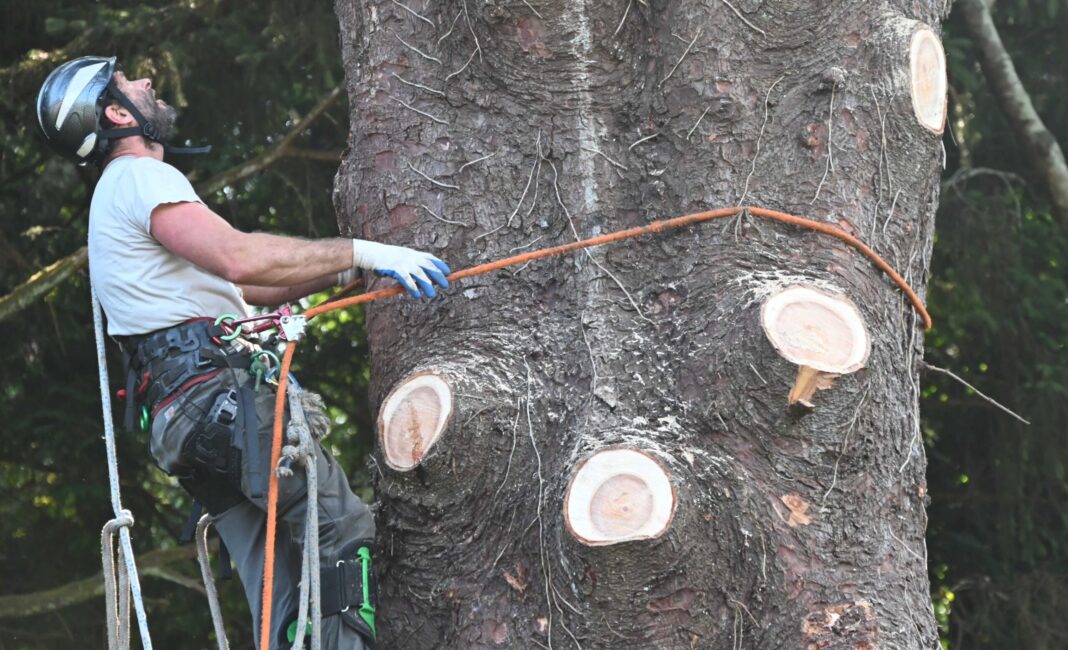
DEPOE BAY — A new law to regulate the chainsaw would bar homeowners and developers from cutting down trees without getting approval from City Hall, or risk paying fines of up to $10,000 per violation.
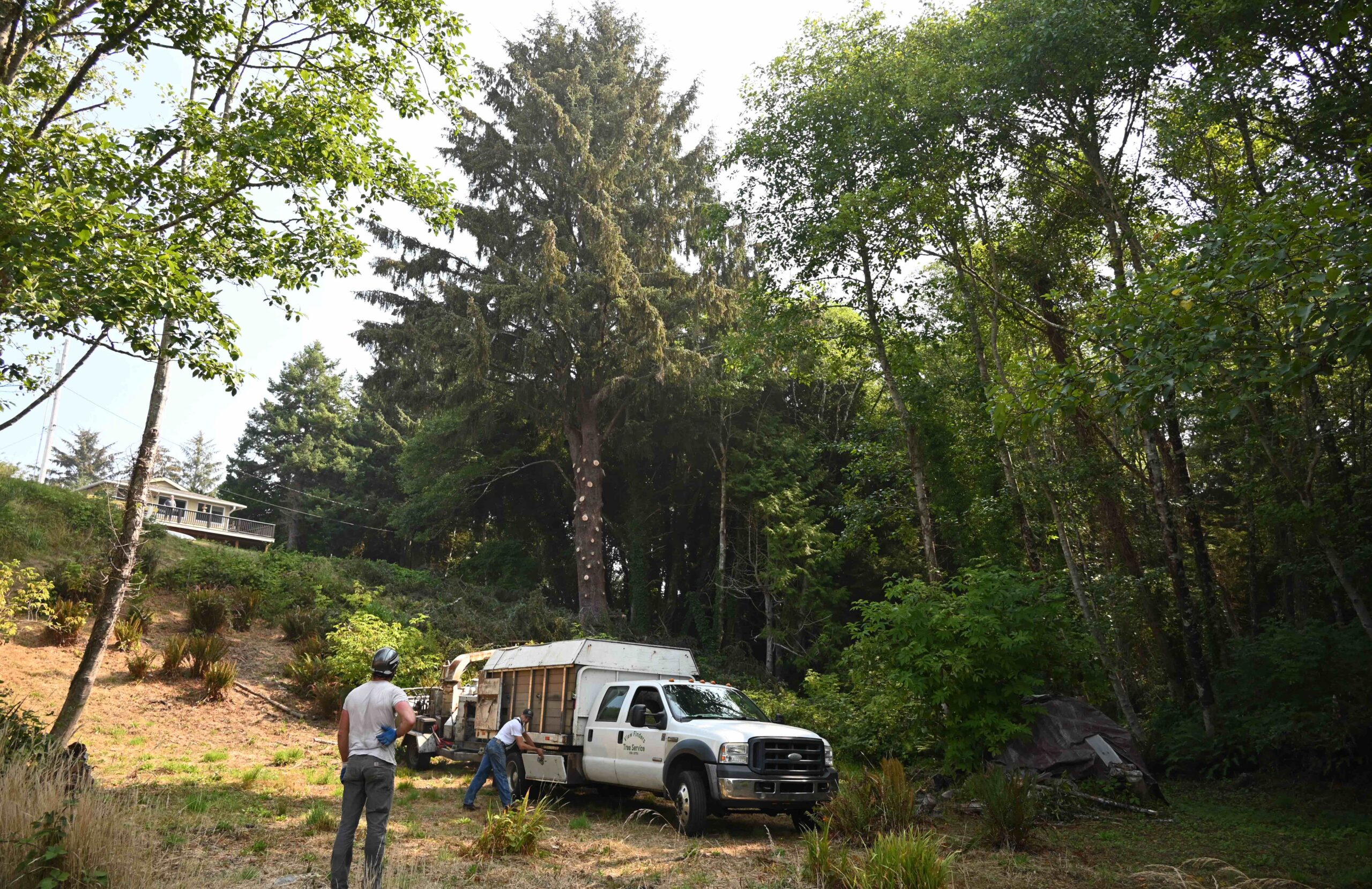
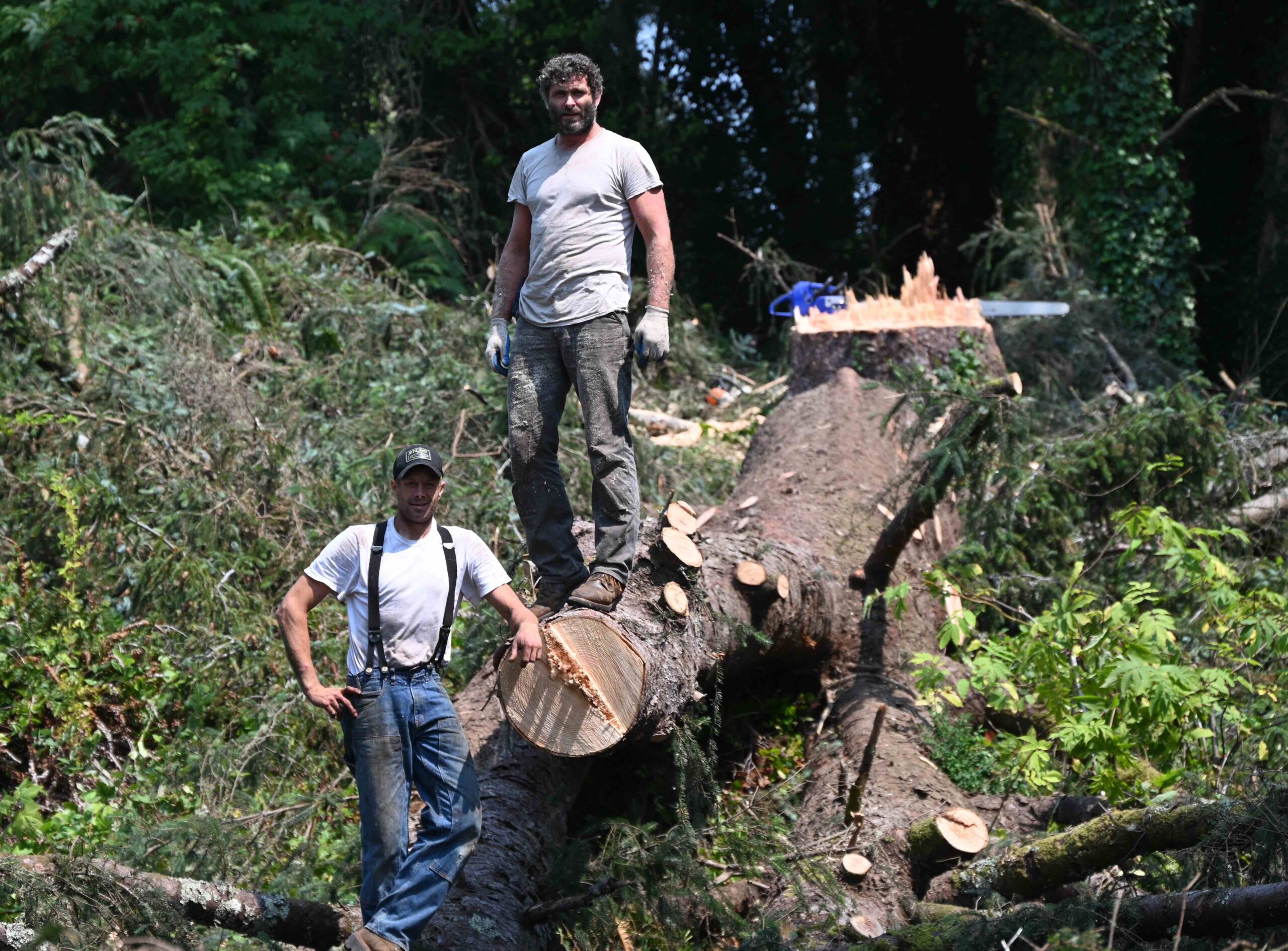
The proposal was hotly debated at Tuesday’s city council meeting, but the controversy dates back to Aug. 21, 2023, when a crew of urban foresters fell a 100-foot tall spruce tree on private land east of the community hall. When the town planner rebuffed her complaint, city councilor Fran Recht — the diehard environmentalist — pushed to fix a loophole that allowed the lot owner to remove the problematic tree. The result is Chapter 96, a 20-page set of rules and administrative hurdles hailed by its sponsor.
“You can’t do things that destroy clean water and harm the salmon just because you have use of a property,” said Recht, arguing there are limits to private property rights. “You don’t have to look any further than that tree by the community center. He just took it down and killed a 150-year-old tree.”
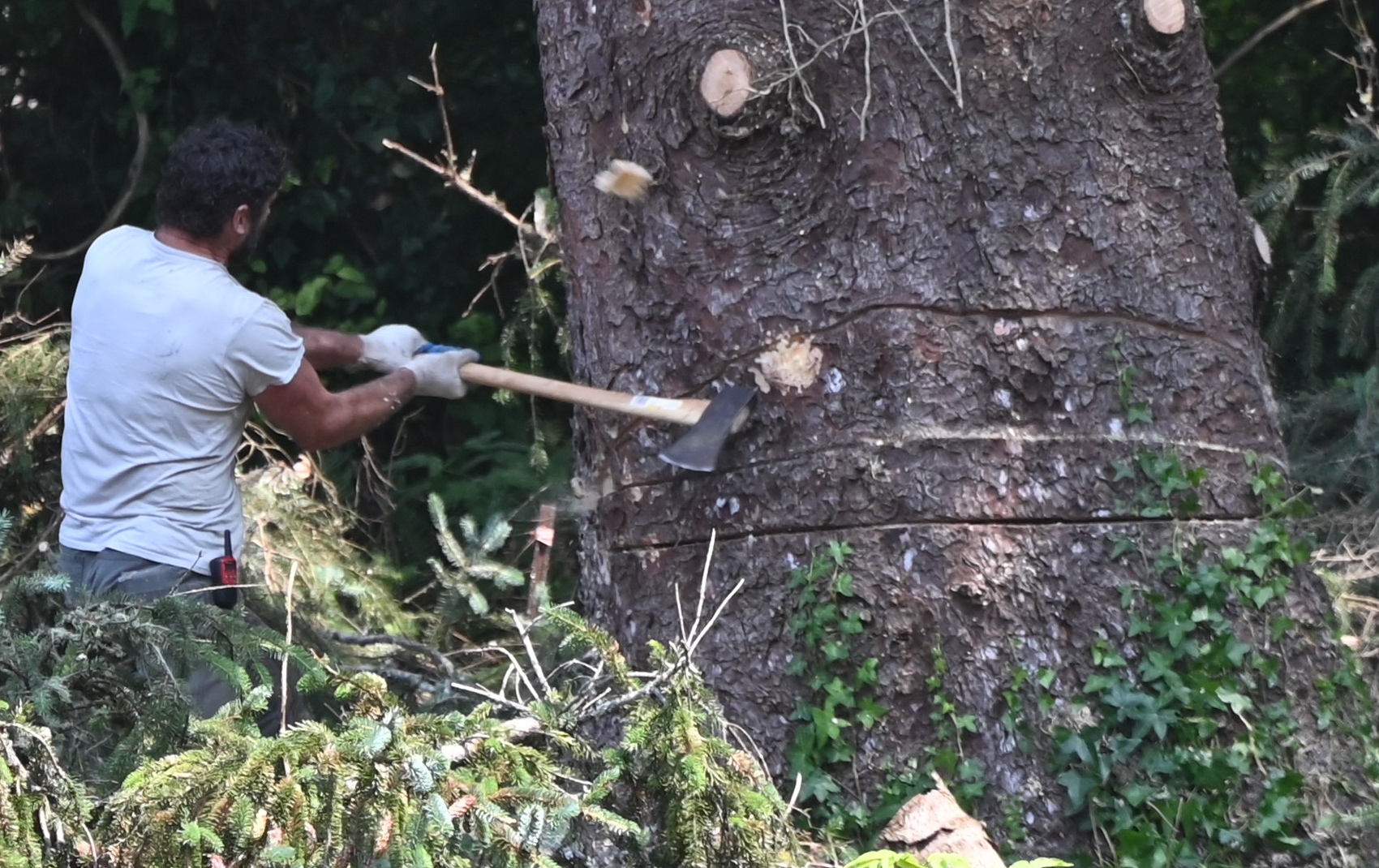
Other councilors would just as soon raze the proposed ordinance, however.
“This is government overreach,” argued Bill Masella, who filed a detailed rebuttal to the 7,000-word document. “It pits the city against citizens, neighbor versus neighbor, and that doesn’t fit the character of Depoe Bay. All of this tagging of trees and putting signs in the front yard is way, way out there.”
The new tree law encourages designation of “Heritage Trees” that would take an act of Congress to cut down, but allows tree less than six inches in diameter at chest-level to be removed without a permit. Fees would range $50 to $100 for bigger trees, and applicants would need to file a “tree replacement and protection plan.”
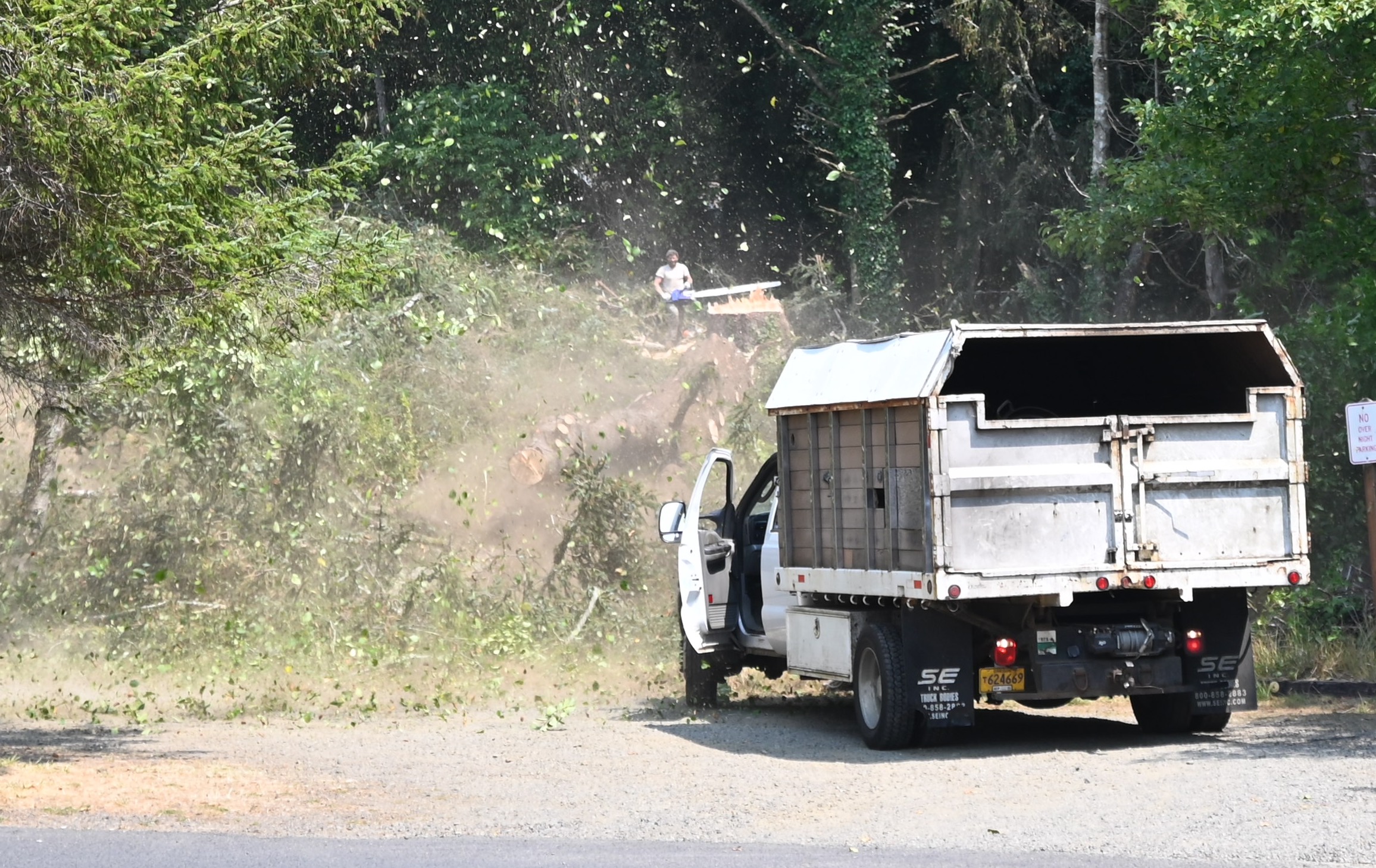
Tree laws are flammable topics. Proponents cite advantages such as environmental resilience and increased property values; opponents complain of increased development costs and subjective administrative hurdles that stall progress or leave dangerous trees standing.
A city council workshop has been scheduled for Tuesday, Jan. 20, at 5 p.m. to settle the debate.
“We’ve put a lot of time in on this,” said Kim Wollenburg, city recorder/administrator, who has reworked three drafts of the tree law. “We just can’t keep going on and on.”



I am just a old timer from the southern region of the central coast and a timber land owner. Have worked in the urban and rural forestry tree removal business in our state and New England. The tree ordinance is a very slippery slope. Mostly a wealth tax and property rights infringement against land owners.
They will not provide the positive outcome for a community for vegetation management. People like Fran need to realize the urban/wildland interface is a real hot issue and trees are fuel even along the Oregon coast in our “asbestos forest”. History of fire is real and so is insurance liability to home owners. A pure waste of tax dollars and staff time. Maybe Depoe Bay wants to become Lake Oswego of the Oregon coast. Check out how their tree ordinance is working for home owners and landowners and city infrastructure. Maybe ask a home owner in Portland which had a tree fall on their home narrowly missing the sleeping child. They requested permission to the city months before to remove the tree but was denied. $$$$$$.
Good luck with Fran she is a doozy of a tree expert and fish habitat expert.
Note of need to correct the species shown is a sitka spruce not a Douglas fir. Both are conifers but different species. A word of caution.. trees do kill persons when you least expect it…. Another bit of tree history and current understanding; there are more conifer trees growing in western Oregon today then before European settlement based on research conducted by forestry researcher from OSU and Humboldt State starting in the 60’. USDA fire lookout photos from the 30’ are a good indication if you have time to research. Say NO to Tree Ordinances on private property.
Good luck and run fast.