


 Boiler Bay Beacon

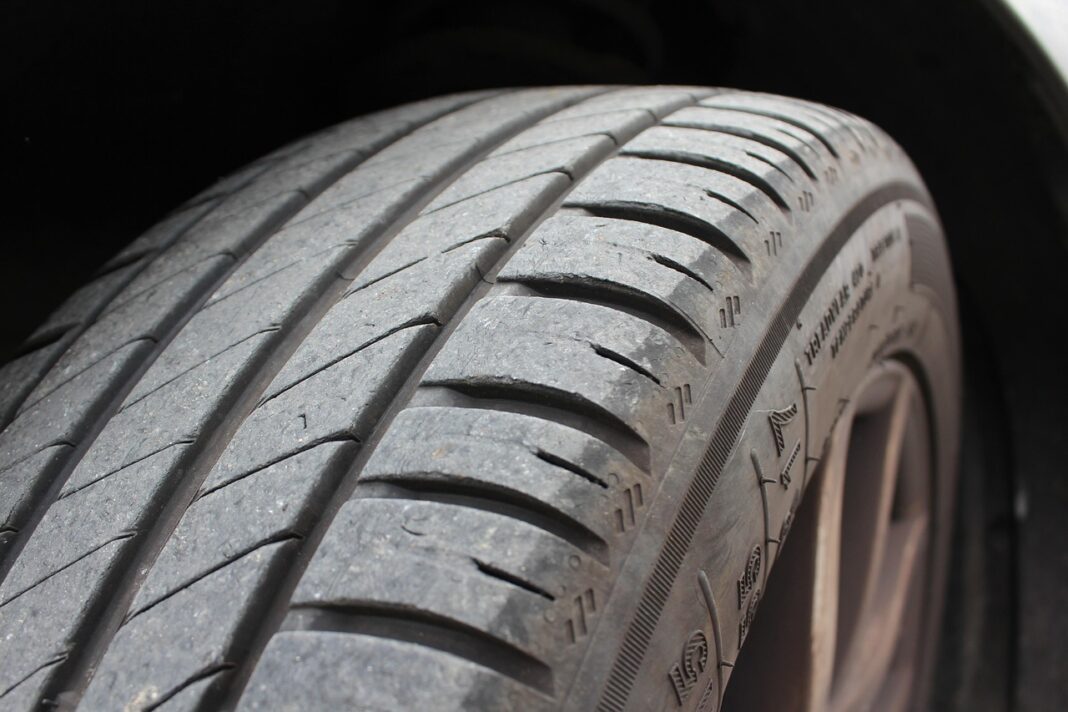
LINCOLN CITY, Ore. — The yellow tire pressure warning light blinked on like an unwelcome dashboard reminder that my car was feeling a bit deflated, and not in the motivational sense.
So I rolled into the Les Schwab Tire Center here for one of their free pressure checks, a service available at every location, hoping it wasn’t signaling something more serious than a case of the winter blues.
A technician quickly confirmed the tires were low and topped them off. While there, he explained a common question many drivers have: Even without a puncture or visible damage, why do tires lose air over time?
The answer lies in a natural process called permeation, where air molecules slowly escape through the microscopic pores in the rubber itself. Tire rubber isn’t completely airtight — it’s porous at the molecular level, allowing gradual leakage, much like how air escapes a balloon over weeks or months.
Experts and tire manufacturers note that normal permeation causes tires to lose about 1 to 2 psi (pounds per square inch) per month under typical conditions. Temperature changes amplify this effect: For every 10-degree Fahrenheit drop in ambient temperature, tire pressure can decrease by roughly 1 psi as the air inside contracts. In coastal areas like Lincoln City, where weather can fluctuate, these shifts are especially noticeable.
Other factors can contribute to gradual loss, including minor wear on valve stems, slight bead seating issues at the rim, or natural aging of the rubber compound, which can become more porous over time. But the primary culprit for slow, even pressure drop across all tires remains permeation.
Pointing to one of the valve stems, the technician said with a grin, “This is the problem right here. This one is a 19!” — referring not to the stem’s age, but to the measly 19 psi it was holding, a far cry from the solid 35 psi the others had been set to. “Looks like this tire’s on a diet — it’s definitely lost a few pounds,” he added, chuckling.
Rubber valve stems do age, though — exposed to heat, UV rays, ozone, road salt, and coastal weather, they can crack, dry out or develop slow leaks over the years. Industry pros recommend replacing them every 5-10 years, or better yet, with every tire change. It’s a cheap fix that can save a lot of headaches.
Les Schwab technicians emphasize that this is why regular checks matter. The company’s free air pressure services, flat repairs (when possible) and rotations help drivers stay ahead of these natural losses, improving fuel efficiency, handling and tire longevity.
I left with properly inflated tires, a smile from the technician’s quip, and a better understanding of why that warning light isn’t always signaling a major problem.
Drivers are advised to check pressure monthly (when tires are cold) and before long trips, using the manufacturer’s recommended psi found on the driver’s door jamb sticker or in the owner’s manual. If a slow leak persists, have a professional inspect the valve stems.


